Back to blog
Top 6 Restaurant Landing Page Designs That Actually Convert
Explore the best restaurant landing pages that attract diners, boost bookings, and turn hungry visitors into loyal customers effortlessly.

Oct 13 2025

Imagine this: it’s 6 PM on a Friday and someone searches for “Italian restaurant near me.” They land on your site, spot a mouth-watering photo of your signature pasta, but within seconds they leave and book with your competitor. It happens more often than most restaurant owners realise.
Does that sound familiar? You are not alone. Restaurants actually lead all industries in online conversion rates, yet many owners still watch visitors leave without booking a table or placing an order.
The good news is that restaurants who get their websites right convert nearly three times more visitors than the average business. The main difference is knowing which design elements and user experience factors actually turn hungry browsers into paying customers.
So, let's break down 6 restaurant websites that convert. You will see the elements that make them successful and learn how to apply the same strategies to your own site. Whether you are opening a new restaurant or struggling to get bookings from your current site, these proven tactics will help you attract more customers and grow.
Why restaurant landing pages convert better than other industries
Most business pages ask people to buy insurance, pick software, or read a report. Restaurants are different. When someone lands on your page, they are hungry, planning a date, or choosing a spot for friends. That urgency makes restaurant landing pages some of the highest converting in any industry.
Benchmarks back this up. The median landing page conversion rate across all industries is 6.6%. In Unbounce’s industry analysis, restaurants and catering sit at the top with an average around 18.2%, which is close to three times higher than the typical page. The gap exists when the landing page makes it simple to book or order.
Mobile brings most of the visits, so the page must load fast and work with one thumb. BentoBox’s 2024 data shows about three quarters of restaurant website traffic comes from mobile. In related travel and hospitality data from Unbounce, desktop traffic converts better than mobile, which hints that many people research on phones and complete bookings on larger screens. Design both views to win the click and the confirmation.
5 Elements of a high-converting landing page
Every high-converting restaurant landing page shares a few common traits. Think of them as the ingredients that make browsing turn into booking.
1. Above-the-Fold Clarity
The top of your landing page needs to answer three questions right away:
- What type of food do you serve (Menu)?
- Where are you located?
- How can I book or order now?

Some restaurants go further and add a gallery, a short guide on how to reserve a table, or options for catering and private celebrations. Every restaurant is different, and your landing page should reflect your positioning. The key is to keep the most important actions highly visible and easy to access.
2. Visual Appetite Appeal
A landing page should make people hungry before they even sit down. High-quality food photography is not optional, it is your main sales tool. Use professional images that:
- Highlight signature dishes clearly
- Show atmosphere with lifestyle shots
- Keep compositions simple and uncluttered
- Load quickly on mobile devices

Some restaurants also feature short videos of dishes being prepared or served to add motion and atmosphere. The more authentic and appetising the visuals, the more likely visitors are to click “reserve now.”
3. Friction-Free Actions
Your landing page should make booking or ordering feel effortless. Guests should be able to:
- Book a table
- View the menu
- Find your contact info
- Order online (if available)
All within three clicks. Some restaurants also add quick-action buttons like “Reserve Now” floating on mobile or “Order Takeaway” links fixed to the header. These reduce hesitation and keep visitors moving toward conversion.
4. Trust and Social Proof
Food is personal, and trust drives decisions. Build credibility the moment people arrive by showing:
- Reviews and testimonials
- Awards and media mentions
- Social media activity
- Clear hours and contact details
Some restaurants also display chef bios, sourcing stories, or press badges. These details reassure visitors that the dining experience is worth booking.
5. Mobile-First Design
With most visits coming from mobile, design for small screens first. Key steps:
- Make buttons large enough to tap easily
- Keep navigation simple for one-thumb use
- Ensure pages load in under three seconds
- Add click-to-call numbers for convenience
Many successful restaurants even create mobile-first landing page layouts, where the booking button is the first element visible on screen. This ensures mobile users, who make up the majority of visitors, can confirm a reservation without scrolling.
6 Best Restaurant Landing Page Examples
Great landing pages make people hungry and ready to book. The 6 examples we’ve picked show different ways restaurants turn visitors into diners. Some lean on luxury and exclusivity, others highlight community spirit or bold branding. Each one has a clear lesson you can apply to your own restaurant, whether you’re running a fine dining spot, a local café, or something completely unique.
1. The Minimalist Authority Builder
Noma (Copenhagen)
Noma is a three-Michelin-star restaurant that could rely on reputation alone, but its landing page adds to the exclusivity. Instead of overloading visitors with content, it creates curiosity with restraint.
Why it works
- Background video sets a mood without distraction
- Weather widget adds a personal, local touch
- Seasonal content builds anticipation
- No menu on display, which makes the experience feel rare
Exclusive restaurants often gain more by showing less. Noma uses minimal information to reinforce its authority and spark curiosity. The design feels understated, yet it never hides the most important detail, the clear path to book a table.

2. Luxury & Fine Dining Landing Pages
Quay (Australia)
Quay is one of Australia’s most awarded restaurants, and its landing page reflects that prestige. The design is elegant, simple, and focused on the dining experience.
Why it works
- Panoramic harbour photography conveys location and atmosphere
- Minimalist layout keeps attention on reservations
- The chef is presented subtly for credibility
- Mobile-friendly design appeals to tourists on the go
Quay’s landing page proves that strong visuals and a clear booking path are more powerful than cluttered content.

Canlis (Seattle)
Canlis is a fine dining landmark in Seattle that has been family-run for decades. Its landing page focuses on the dining experience rather than overwhelming visitors with menus or promotions.
Why it works
- Atmospheric photography sets the tone for premium dining
- Experience descriptions highlight service, not just food
- Special events create urgency and exclusivity
- Heritage storytelling builds emotional connection
High-end restaurants sell more than meals, they sell occasions. Canlis uses its landing page to frame dining as an experience worth booking in advance. Also, it uses contrasts better than Quay.

3. Community-Driven Landing Pages
The Original (Denver)
The Original stands out by embracing its role as a true neighbourhood diner. Its landing page is warm, personal, and clearly connected to the local community.
Why it works
- Hand-drawn illustrations add personality and charm
- A community events calendar named “happenings” makes the site feel alive
- Messaging like “did we just become best friends” builds insider appeal
- Simple navigation ensures visitors can book quickly
Community-driven restaurants win by highlighting what chains cannot offer. The Original’s page builds loyalty by making visitors feel like they are part of something local.

4. Bold Branding Landing Pages
The Tailor’s Son (San Francisco)
The Tailor’s Son blends a modern approach to Northern Italian cuisine with a landing page that feels both stylish and personal. The clean layout, bold typography, and illustrated character at the top of the page set it apart immediately.
Why it works
- Minimalist design with a strong centrepiece illustration for personality
- Clear, bold headline that defines the concept in one sentence
- Prominent navigation with quick access to menus, group events, and reservations
- Muted textures and refined styling reflect sophistication without being cold
This landing page combines storytelling, design simplicity, and a visual hook, At the same time it feels authentic and upscale while keeping the booking button easy to spot.

5. Local & Neighbourhood Appeal
Roman’s (Brooklyn)
Roman’s combines a refreshed modern design with strong ties to local producers. Its landing page feels honest and approachable, reflecting its farm-to-table philosophy.
Why it works
- Partnerships with farmers and suppliers are highlighted
- The graph-paper background creates a notepad look,echoing the idea of recipes and daily menus
- Subtle Italian design cues connect to its cuisine
- Unpretentious messaging lowers barriers to booking
- Regular updates keep the site fresh and relevant
By combining authentic sourcing stories with a playful, kitchen-inspired design, Roman’s reassures visitors that dining here is both genuine and welcoming.

Quick Tips to Start Your Restaurant Landing Page
Now that you have seen real-world examples, you are probably wondering where to start. Here is our quick list to get you started.
- Start with one clear goal: decide if your priority is reservations, online orders, or private events.
- Lead with one irresistible hero image: showcase your signature dish or the atmosphere of your space.
- Keep your call to action visible: make sure the booking or ordering button is seen without scrolling.
- Build trust fast: add at least one review, award, or press mention to reassure new visitors.
- Optimise for mobile first: most of your traffic will come from phones.
- Double-check desktop: even though mobile dominates visits, most confirmed reservations still happen on desktop.
Turning Visitors into Diners
The examples in this guide show that there is no single formula. Some restaurants succeed with bold colours, others with minimalism, and some by leaning into local roots or personal stories. What they all share is clarity: they make it effortless for a visitor to book, order, or learn why the experience is worth it.
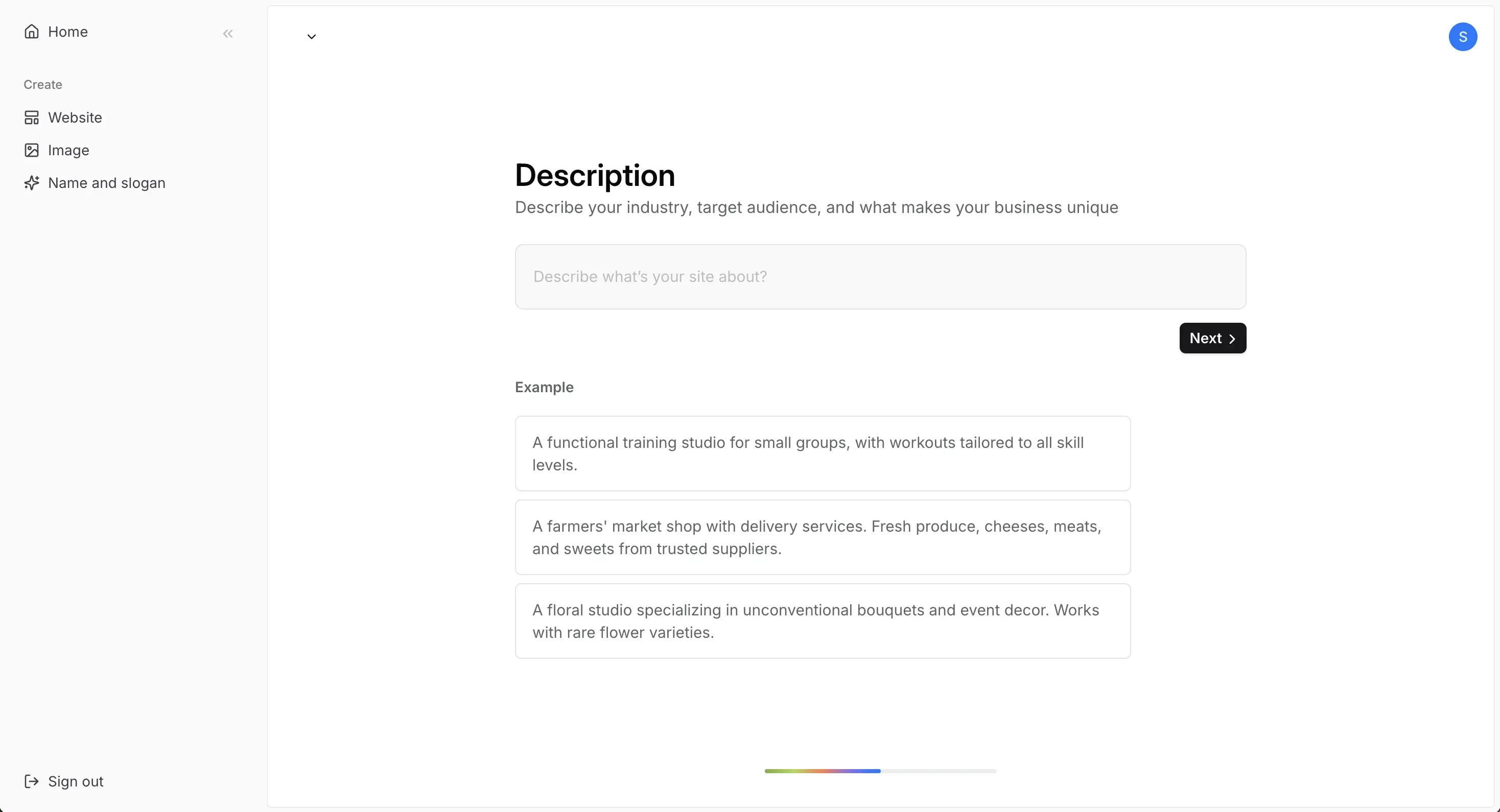
If you want to create a page like this without the hassle of hiring a designer, Codesi Landing Page Builder helps you do it in minutes. You type a short description of your restaurant, and Codesi generates a ready-to-use landing page with layout, text, images, and even a logo. You can customise colours, update your menu, and publish instantly.
With the right landing page, your restaurant isn’t just online, it’s open for reservations 24/7.
FAQ
What’s the most important element on a landing page?
Clarity. Visitors should instantly see what type of food you serve, where you’re located, and how to book.
How much should I spend on a landing page?
With tools like Codesi, you can launch a professional page for under $50/month. Fine dining or multi-location concepts might invest more for custom design.
How do I know if my landing page is working?
Track reservations, online orders, and repeat visits. Secondary signals like time on page and mobile clicks also show whether people are engaged.
Create your website with AI today
Codesi is a platform where you can make a website in 3 minutes.
No coding, no designers, no hassle - just AI.