Back to blog
Product Page vs. Landing Page: Which One Should You Use?
Explore product page vs landing page to understand the key differences, when to use each, and how to turn visitors into loyal customers.

Oct 7 2025

Every click on a website has a destination. Choosing product page vs landing page can change whether that click converts or not. Product pages let people explore features and options, while landing pages push users to take one clear action such as sign up, buy, register.
The challenge is knowing which one to use and when. Get it right, and your traffic is more likely to convert. In what follows, you’ll see how these pages differ, when to use each, and how Codesi makes building either one simple and fast.
Key Takeaways
- A product page provides shoppers with all the necessary details to make an informed decision. Specifications, images, pricing, and variations are all conveniently located in one place, enabling customers to compare options before making a purchase.
- A landing page eliminates those extra options and focuses on a single action, such as signing up for a webinar or claiming a discount.
- Product pages work best for browsing and shopping. Landing pages are most effective for campaigns that require immediate action.
- The two aren’t in competition. Most businesses need both, and they complement each other.
- You can build a product page or a landing page with Codesi. Start with a short prompt, and in minutes you’ll have a product page to showcase an item, or a landing page built around a single goal.
What is a Product Page?
A product page is where people go when they’re ready to learn more about what you’re selling. It holds the essentials: photos, descriptions, price, reviews, and delivery details. Shoppers expect to find everything they need to make a decision about whether to buy.
Unlike a landing page, it’s not about prompting a single action. A product page typically features menus, search bars, and links to other products, as users often want to compare options before making a decision.
When to Use a Product Page
Use a product page if:
- You’re selling through an online shop
- Buyers want to compare colors, sizes, or variations
- Reviews and ratings help people decide
- The visitor is close to checkout and needs details first
What Makes a Good Product Page
The best product pages are clear and practical. They usually include:
- Sharp images from different angles (video helps too)
- A description that covers both features and benefits
- Reviews or ratings that build confidence
- Pricing and shipping details up front
- A visible “Add to cart” or “Buy now” button
A product page does the heavy lifting when someone is ready to browse, compare, or make a purchase. It needs clear photos, straightforward pricing, and a layout that feels natural. Instead of waiting weeks for a designer, you can do it yourself with Codesi.
What is a Landing Page?
A landing page is built with one goal in mind: to get visitors to take action. Instead of listing every detail about a product or showing a full catalogue, it focuses attention on a single step, like signing up, registering for an event, or grabbing a deal.
Marketers use landing pages in campaigns because they keep things simple. If someone clicks on an advert or an email, the page they land on should match what caught their attention and guide them to the next step.
When to Use a Landing Page
A landing page works best when you need people to focus on one thing. It eliminates the extra links and focuses all attention on a single offer.
Use one if you are:
- Running ads and want the page to match the click.
- Launching a new product or service.
- Promoting a short-term deal or event.
What Makes a Good Landing Page
A high-converting landing page usually includes:
- A headline that explains the main benefit in a few words
- Supporting visuals that highlight the offer
- Short, persuasive copy that builds interest without overwhelming
- A clear button or form that makes the next step easy to follow
The power of a landing page is in its focus. With nothing else competing for attention, visitors are more likely to do what you’re asking. That’s why they work so well for ads, launches, and short-term campaigns. If you want to cut the time it takes to build one, Codesi has you covered.
Product Page vs Landing Page: The Key Differences
Both pages help move people closer to a purchase, but they are built for different moments in the journey.
- A product page gives people details. It lets them compare sizes, colors, prices, and reviews. It’s where browsing and decision-making happen.
- The core of landing page fundamentals is one page, one goal. Instead of offering options, it directs users to a single action, such as signing up, downloading, registering, or buying.
Think of it this way: a product page works like a shop floor where visitors can look around and weigh their choices, while a landing page is more like a stand-alone display that spotlights one offer and asks for a quick decision.
Used together, they cover both sides of the buying process. The product page supports research and comparison. The landing page creates momentum for a single, clear conversion:

Real-World Examples of Product Pages and Landing Pages
It’s easier to see the difference between a product page and a landing page with real-world examples of brands that use them effectively.
Product Page Examples
Amazon

Amazon’s product pages are built for browsing and comparison. A single page often includes images, detailed specs, reviews, and related products. If you’re looking at a pair of headphones, you can compare colors, check ratings, read customer questions, and see alternatives in the same category.
The design encourages exploration, which makes sense because shoppers often want to weigh their options before clicking “Add to Cart.”
Apple

Apple’s Watch page feels designed to pull you in. It starts with bold visuals that show the watch in action, then moves into features like health tracking, calls, and customisation options.
You can scroll through sizes, colors, and bands without confusion, and each choice updates the display in real time. The flow makes it easy to compare options and just as easy to make a purchase.
Landing Page Examples
Shopify free trial

Shopify’s free trial landing page has a very different feel. There are no menus to browse and no product catalogue to scroll through. The page highlights one message, “Start your website for free”, with a clear form and a call to action. Visitors aren’t asked to compare multiple services; instead, they are encouraged to take a single action: Start for free.
Hubspot

The HubSpot marketing report page doesn’t waste time. The title makes the offer clear, the form is positioned at the top, and a brief paragraph explains why the insights are important. A simple preview of the report adds credibility, but nothing detracts from the main goal. The entire page is designed to prompt you to fill out the form.
These examples clearly illustrate the contrast. A product page guides people who want detail and choice, while a landing page is effective for when you want focus and quick action.
Product Page vs Landing Page: Which One Should You Use?
The choice depends on what you want people to do. If you’re selling online and buyers need to check sizes, colors, or reviews before adding something to their basket, a product page is the right fit. It provides them with the details and context needed to feel confident about their decision.
A landing page is more effective when you need to focus on a specific goal. It works for campaigns where there’s one key action that matters, such as signing up for a webinar, starting a free trial, or claiming an offer. By stripping away menus and extra links, you keep all eyes on the next step.
When comparing a product page to a landing page, the difference is straightforward. One is built for browsing and comparison, the other is built to drive a single action quickly. Knowing which to use at the right time can make the difference between clicks and conversions.
Build the Right Page with Codesi
Getting a page online doesn’t need to take weeks of back-and-forth. Codesi gives you a quick way to create a one-page site that works as either a product page or a landing page, depending on your goal.
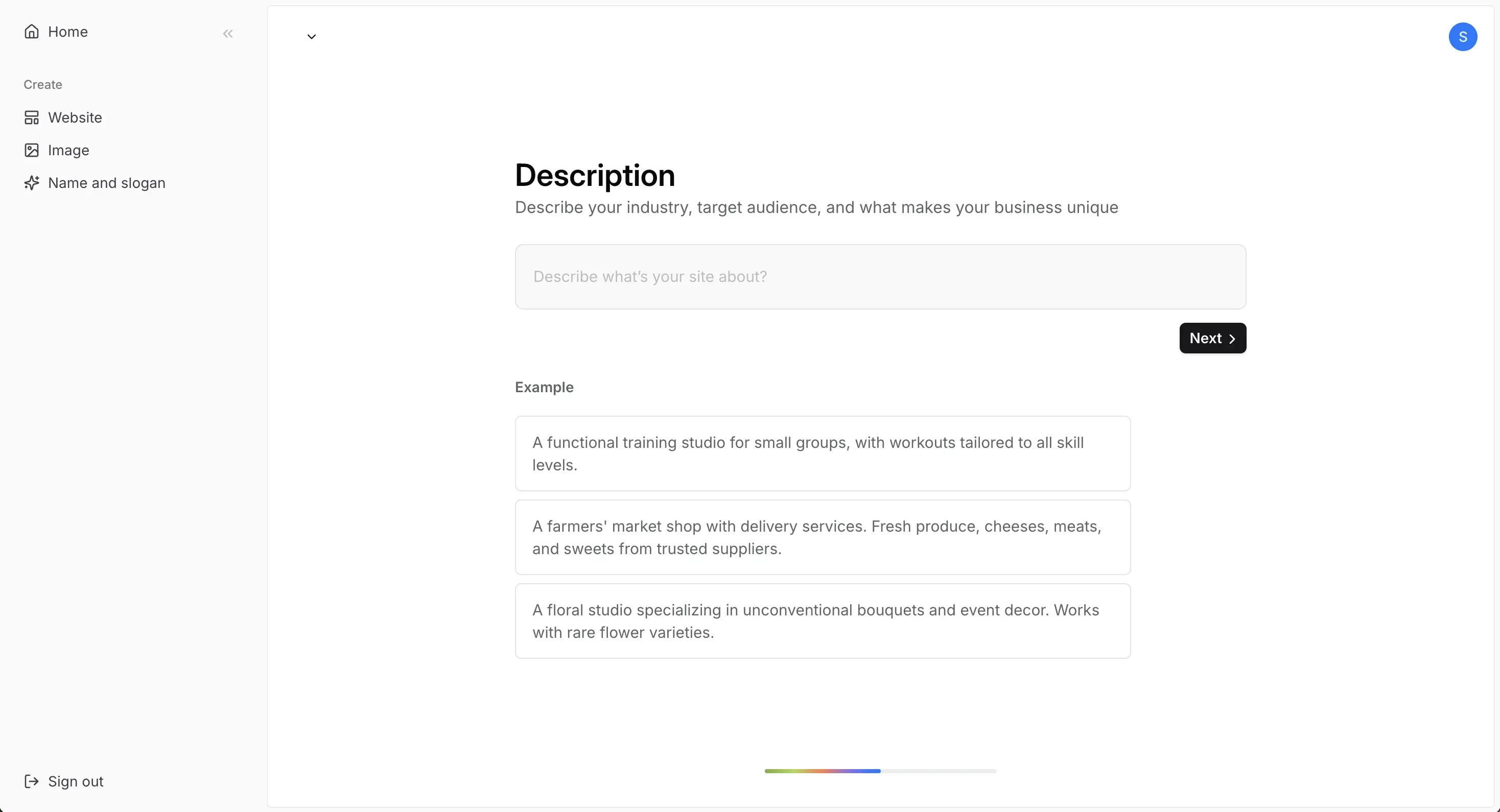
You start with a short prompt. From there, Codesi generates a complete draft with layout, copy, and visuals. You can edit the text, switch images, and add your call-to-action until it fits your brand. Once it looks good, you publish it straight away.
With Codesi, you can:
- Create a product page that includes high-quality photos, detailed descriptions, and accurate pricing information.
- Create a landing page that focuses on a single, clear action, such as signing up or registering for an event.
- Keep your brand consistent with ready-made logos and image options.
- Go live in minutes instead of waiting on designers or developers.
It’s a practical way to launch quickly and still maintain control over how your brand presents itself.
Ready to give it a try?
Start free with Codesi today and publish a page that’s built to convert.
FAQs
Can I Use Both a Product Page and a Landing Page in the Same Campaign?
Yes. Many brands do this. The landing page captures attention and drives sign-ups or clicks, while the product page provides shoppers with full details before they make a purchase.
Do They Need to Look Different?
They should. A landing page is simple and focused on one action. A product page typically includes reviews, specifications, and links, enabling users to compare products before making a purchase.
Should Every Ad go to a Landing Page?
Not always. If you’re running a short-term deal or event, consider using a dedicated landing page. If your ad is about browsing or product discovery, send people to a product page.
Can Codesi Build Both Types of Landing Pages?
It can. With one prompt, Codesi creates a one-page site you can set up as a focused landing page or a simple product page. You can go live in minutes.
Create your website with AI today
Codesi is a platform where you can make a website in 3 minutes.
No coding, no designers, no hassle - just AI.