Back to blog
Sales Page vs. Landing Page: Which One Is Right For You?
Learn the difference between landing page and sales page to attract visitors, boost conversions, and guide customers to take action.

Oct 13 2025

Most clicks on a page never turn into customers. In fact, the average e-commerce conversion rate is less than 2% showing that businesses are making mistakes, including sending traffic to the wrong type of page.
When you compare a sales page vs. a landing page, the difference is about intent and persuasion. A sales page takes people who are already interested and gives them every reason to buy. A landing page removes distractions, allowing visitors to take a single action, such as signing up, registering, or starting a trial.
In this guide, you’ll see how each page works, when to send traffic to one over the other, and how Codesi helps you build both without delays.
Key Takeaways
- A sales page is designed to persuade and sell, typically featuring longer copy, storytelling, and social proof.
- A landing page is focused on one specific action, such as signing up, downloading, or starting a free trial.
- Send broad traffic or product-focused campaigns to a sales page; send ad or email clicks tied to a single offer to a landing page.
- Codesi lets you build either type of page quickly so that you can match the right page to the right traffic without delay.
What Is a Sales Page?
A sales page has one job: to sell. Everything on the page is arranged to move a visitor from interest to purchase. Unlike a homepage, which spreads attention across your brand, a sales page focuses on a single product or offer and provides people with compelling reasons to buy it now.
A good sales page usually has:
- A headline that makes the offer clear
- Copy that explains the value in plain language
- Proof in the form of reviews, testimonials, or case studies
- Price and purchase details
- A call to action repeated more than once
Some sales pages are long, others are short. High-priced or complex offers often need more detail, while a low-cost product can be sold with fewer words and stronger visuals.
When to Send Traffic to a Sales Page
Send people to a sales page when they already know your brand or product and are close to making a purchase. Good fits include:
- Email subscribers who signed up for updates
- Retargeting campaigns target visitors who have viewed a product
- Launch campaigns that build urgency
- Audiences warmed up through content, webinars, or past purchases
The key is that a sales page works best with traffic that doesn’t need to browse. It works when the visitor is ready for a clear pitch.
What Is a Landing Page?
A landing page is designed to prompt visitors to take a specific action. That could be signing up for a newsletter, downloading a guide, registering for a webinar, or starting a free trial. Unlike a sales page, it doesn’t try to explain every detail or push for an immediate purchase. Its job is to clear away distractions and guide the visitor to one step.
A high-converting landing page has:
- A headline that matches the ad, email, or link people clicked
- Short copy that explains the offer
- Supporting visuals, like an image or a preview of what’s being offered
- A single, clear call to action
- Social proof or trust markers, when needed
When to Send Traffic to a Landing Page
Send people to a landing page when you want them to focus on a single outcome, rather than browsing. Good fits include:
- Paid ad campaigns where the message must match the click.
- Lead generation campaigns, such as free guides or waitlists.
- Event signups or webinar registrations.
- Limited-time promotions or discounts.
The goal of a landing page is clarity. By removing unnecessary links and options, you make it easier for visitors to take action.
Sales Page vs. Landing Page: The Key Differences
Choosing between a sales page and a landing page often comes down to how much information your visitor needs before taking action.
A landing page is most effective when the offer is straightforward and clear. A sales page makes more sense when the purchase requires context, persuasion, and proof.
Here’s a side-by-side view:

A good way to remember the difference is that sales pages sell, while landing pages capture. Both play important roles in a funnel, but they’re built for different stages.
The next question is knowing when to use each, because sending the wrong traffic to the wrong page is one of the fastest ways to lose conversions.
Real-World Examples of Sales Pages and Landing Pages
The best way to understand the difference between a sales page and a landing page is to look at how leading brands use them.
Sales Page Examples
Tesla Model Y

Tesla’s Model Y page wastes no time. The car takes up the hero section with a clear order button. Scroll down to see the range, charging, and safety explained in concise sections. Customization options update in real time as you click through colors or trims. The “Order Now” button repeats, allowing you to act at any point.
Apple AirPods Max

The Apple AirPods Max sales page is built to sell with clarity and premium positioning. It opens with a full-screen hero showcasing the product in use, with the headline focusing on immersive audio.
The page proceeds to explain features such as active noise cancellation and spatial audio, while testimonials and technical specifications provide credibility. Pricing options are clear, and a “Buy” button appears steadily at the top, so users don’t have to scroll back up.
Landing Page Examples
Shopify Free Trial

Shopify’s trial page is stripped back. No menu. No product catalog. Just a headline promising you can start a store for free, followed by a short form. One button drives the action, and the design makes sure you notice it.
Duolingo English Test

Duolingo keeps its test landing page tight. The headline explains the offer, and a short copy shows how it works. Logos from universities build trust in the middle of the page. A single button asks you to start the test, and every other element supports that step.
Common Mistakes That Hurt Page Performance
Even well-designed pages can fall flat if they repeat the same missteps. Sales pages and landing pages fail in different ways, but the result is the same: fewer conversions.
Sales Page Mistakes
- Overloading with features and skipping benefits: Long lists of specs or product details without demonstrating how they address a customer’s problem can feel dry and uninspiring.
- Weak social proof: Generic testimonials or a lack of reviews make it harder for visitors to trust the offer. Clear and authentic proof is essential when requesting payment.
- Too many CTAs: Mixing “Buy now,” “Subscribe,” and “Learn more” on the same page creates friction. A sales page works best when it pushes toward a single purchase action.
Landing Page Mistakes
- Sending ad clicks to a page with full site navigation: When visitors can easily click away, they rarely complete the action you want. A landing page should keep focus on the main goal.
- Poor message match: If the ad or email promised one thing and the page headline says another, bounce rates rise fast. Even small mismatches cost conversions.
- Clunky forms: Requiring too many fields or adding unnecessary steps can halt progress. The shorter the path to the action, the better.
Both page types succeed when they match visitor intent and make the next step easy. Small mistakes add up quickly, which is why cleaning up these areas often produces an immediate lift in results.
Build Pages Faster with Codesi
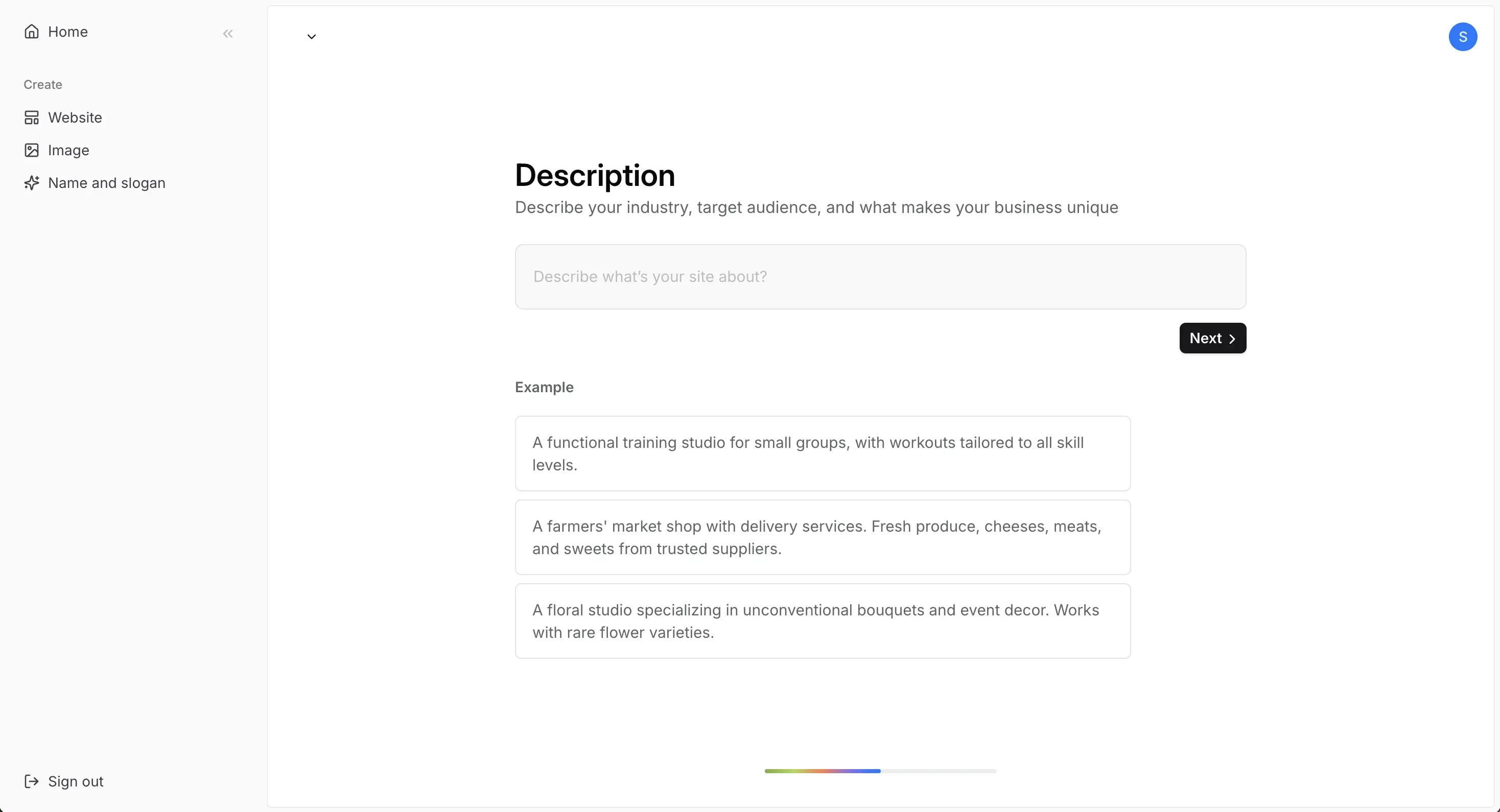
Most teams waste time debating layouts, chasing designers, or wrestling with clunky builders. While they stall, clicks continue to come in, and conversions slip away. Codesi cuts that wait by helping you create a website without coding in minutes.
With a short prompt, you can create:
- A sales page built to highlight one product or service, complete with copy, structure, and space for testimonials
- A landing page with a single focus, designed to match the traffic source and guide visitors to one clear action
You can edit the text, swap visuals, and adjust the call-to-action until it fits your brand. Then publish in minutes, not weeks.
Because Codesi also helps with brand assets, such as logo creation and landing page design tips, you get a consistent look across every campaign.
If you’ve been struggling with the choice between a sales page and a landing page, Codesi offers both, as it is quick to build, easy to launch, and flexible enough to test as your campaigns change.
Are you ready to give it a shot?
Try Codesi for free today to get your sales page or landing page online in minutes.
FAQs
Can I use both a sales page and a landing page in the same campaign?
Yes. Many businesses run ads to a landing page to capture interest, then link to a sales page for people who want more details before buying.
Do sales pages always have to be long?
Not always. Some sales pages are short if the product is simple or low-cost. Higher-ticket offers typically require more copy, testimonials, and detail to establish trust.
Should a landing page ever include navigation?
It depends on your goal. For focused campaigns, keeping links limited prevents distractions. In some cases, adding one or two trust links, like privacy or terms, is useful.
How does Codesi help me build both types of pages?
With a single prompt, Codesi generates a ready-to-edit page. You can shape it into a detailed sales page or a focused landing page, add your visuals, and publish in minutes.
Create your website with AI today
Codesi is a platform where you can make a website in 3 minutes.
No coding, no designers, no hassle - just AI.