Back to blog
How To Create A Professional Clothing Logo In 5 Minutes?
Learn how to create a logo for clothing that looks professional, fits any label or tag, and builds a strong, memorable brand identity.

Oct 7 2025

The first thing people often notice about a clothing brand isn’t the fabric or the fit. It’s the logo on the tag, the label, or the packaging. The challenge is that hiring a designer takes time and money, and most businesses can’t afford to wait.
That’s where Codesi comes in. With a simple prompt, you can create a polished clothing logo in minutes, download print-ready files, and even preview how it looks on mockups before committing.
Keep reading, and we’ll show you why your logo matters, mistakes to avoid, and how to create a logo for clothing in five minutes using Codesi.
Key Takeaways
- A strong clothing logo makes your brand look professional and consistent from day one.
- Keep designs simple so they work on everything from tiny woven labels to large posters.
- Avoid overcomplicated colours, fine details, or low-quality files that slow down production.
- Codesi gives you ready-made logo options in minutes, with files sized for web, print, and embroidery.
- You don’t need design skills or expensive software to create a professional clothing brand logo. A short prompt is enough to create a logo pack you can use right away.
Why A Good Clothing Logo Matters
Your logo is the first thing people will notice when they come across your brand. It tells them what sort of clothes you make before they even touch the fabric.
- A simple wordmark on a woven tag makes a small brand look more established.
- The same design should scale to a printable poster in a shop window without losing clarity.
- Strong, legible marks are easier to remember; a single glance can be enough for someone to recall your brand later.
- Clean design also helps with production. Printers and embroidery houses work more efficiently when a logo avoids intricate details.
A good logo also pays off commercially. Studies show that 75% of consumers recognise a brand just by its logo, which makes it one of the fastest ways to build awareness.
Think of it as a thread that ties every part of your business together. From online shops to swing tags, the same mark gives a sense of consistency that builds trust over time.
Common Clothing Logo Mistakes to Avoid
Designing a logo for clothing is different from creating one for a website. What looks polished on screen can quickly lose its effect once it’s shrunk down or stitched onto fabric.
Here are a few things that often trip people up:
- Overly detailed designs: Thin lines and tiny ornaments often fail to survive on woven labels or embroidery. Keep the shapes bold so they stay visible at small sizes.
- Complex colours: Multi-colour gradients and textures are complicated to reproduce on fabric. A solid version in one or two colours will always be more reliable.
- Low-quality files: Printers and manufacturers can’t work with blurry JPEGs. Vector files or high-resolution images save time and prevent costly mistakes.
- No single-colour option: Many production methods need a black or white version. Without one, you’ll often face extra delays.
- Skipping size checks: A logo that looks sharp on your laptop may blur on a 2 cm neck tag. Always test it at the size it will be used.
- Awkward proportions: Long wordmarks are tough to fit on small labels. Having an alternative stacked version or a symbol-only mark helps.
The best clothing logos are flexible. They look good on a tiny tag, a stitched patch, or a large shop window. If you keep things simple and adaptable, your logo will work anywhere you need it.
Clothing Logo Inspiration to Guide You
Before you create your own design, it helps to draw inspiration from other logo ideas. Look at what works for some of the biggest names in fashion. Clothing logos usually fall into a few clear styles, each with strengths depending on the type of brand you’re building.
Wordmarks
Wordmarks use only type to tell the story. Zara’s logo is a good example. It is elegant and minimal, with thin, stretched lettering that feels refined. Because it relies only on the name, it adapts well to clothing tags, labels, and store signage without losing clarity.

Symbol with Text
This style pairs a brand name with a distinctive mark. Nike’s swoosh is one of the most recognisable in the world. Even without the word “Nike,” the curved line instantly signals sport and movement. For clothing, this flexibility means the logo can appear as either the symbol alone or with the brand name, depending on the space.

Monograms
Luxury brands often lean on monograms. Louis Vuitton’s “LV” is iconic, with two letters intertwined in a way that conveys exclusivity and tradition. Monograms are compact, which makes them ideal for small embroidered tags, buttons, or accessories.

Emblems
Some brands use an emblem or crest that feels timeless. Ralph Lauren’s polo player is a perfect example. It captures the brand’s identity in a single image, suggesting heritage and lifestyle. Emblems tend to suit premium or heritage-focused clothing lines.

Minimal Icons
Many high-street brands use simple marks that are easy to reproduce. Uniqlo’s red square with white lettering is direct and bold, yet easy to spot from a distance. This kind of design is practical for mass production, packaging, and digital use.

Once you have a sense of the style that fits your brand, it becomes much easier to write a clear prompt in Codesi. Whether you are aiming for luxury, streetwear, or everyday basics, starting with the right direction saves time and produces results that feel professional.
How to Create a Logo for Clothing Brands with Codesi in 5 Minutes
The steps below are practical and include prompt examples and screenshots to guide you through the process. It takes about five minutes to complete the entire process.
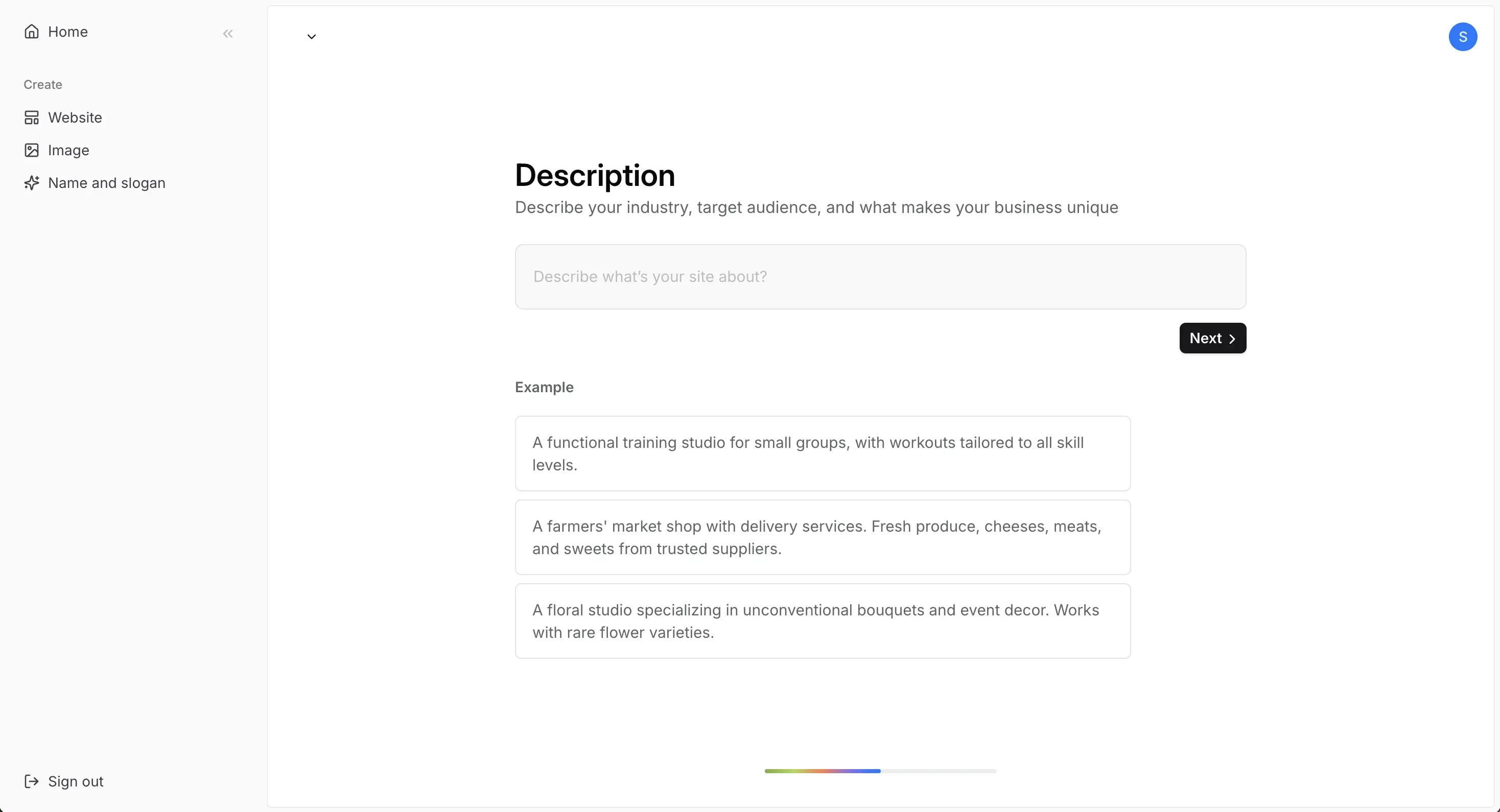
Step 1: Write Your Brand Prompt
Write a brief description of the clothing brand and the style you want to create. Limit it to one or two sentences.
Suggested prompt examples
- Men's athletic street wear with big block letters and a powerful icon.
- Minimal womenswear brand of neutral color and plain serif type.
- Organic leaf symbol and warm color eco-friendly knitwear.

What to check
Be sure your prompt mentions use cases like tags or labels. Mention if you want close-packed marks for small labels.
Step 2: Pick Color(s) and Generate Logo Options
Pick the color you want and click “generate” to review the first set of logos. Codesi typically gives you four base concepts with three layout variations each. Look for options that work better in small sizes.

What to check
Ignore ideas that rely on small details. Pick clean shapes and letterforms. Note any color preferences you have, but do not commit to them yet.
Step 3: Review and Refine
Review the variations and select the one that best aligns with your brand.
Step 4: Download Your Logo Pack
When you’re happy with the design, download your full logo pack. Codesi gives you files in SVG, PNG, and JPEG formats, all at 1024x1024 resolution.
These files cover the basics:
- SVG works best for printing since it scales without losing quality.
- PNG has a transparent background, which is handy for websites or social media.
- JPEG is good for quick previews or sharing with your team.

File naming tips
Name files with your brand and the use case. For example, ‘brandname_logo_full_svg’ and ‘brandname_logo_tag_black_png.’ Have a simple folder system so manufacturers can locate the correct file quickly.
Quick Checks Before Production
Don’t wait until you’ve paid for tags or embroidery to spot issues. Run these simple tests first:
- Print your logo at the exact size it will appear on a neck tag or swing tag. Hold it at arm’s length to see if it’s still clear.
- Drop the black-only version into an embroidery preview (many manufacturers provide one). It shows you how the stitches will handle the shapes.
- Upload the logo to your website header or a product mock-up. Make sure it holds up both on small screens and larger displays.
These checks can save you a lot of time and avoid expensive reprints later.
Why Codesi Works for Clothing Logos
Creating a logo for a new company often slows brands down before they even launch. You wait on drafts, pay for revisions, and sometimes end up with files that don’t even work for labels or embroidery. Codesi cuts all of that out by making it easy to create a logo with AI. Type a short prompt, pick from the options, and leave with a logo pack you can use everywhere.
Every new project starts with 20 free logos. That’s more than enough to test directions, compare styles, and see what feels right before you commit. Instead of worrying about missing formats or resizing issues, everything is ready in one pack:
- Logos that hold up on tiny tags and still look good on posters
- Files for print, web, and embroidery without extra steps
- Mockups that show your design on shirts, labels, and packaging before you decide
Run a few quick checks, like printing a tag at size or dropping the logo into your site header, and you’ll be production-ready.
Try Codesi free and create a clothing logo in five minutes. Start with one prompt, save your logo pack, and launch your brand with confidence.
Frequently Asked Questions
Do I Own the Logo Once I Download it from Codesi?
You do. Once exported, the files are yours to use on your website, labels, prints, or anywhere else you need. Codesi is designed with business use in mind, so you keep full commercial rights.
Is a Free Logo from Codesi Good Enough for Business Use?
The free version is helpful for testing ideas, but for a clothing brand going into production, you will want the full export pack. That way, you have high-resolution files without watermarks, plus the vector formats needed for print and embroidery.
Do I Need to Pay Before I Can Try Codesi?
No, you start with 20 free logos. That’s enough to experiment with different styles and see what fits before you decide to upgrade.
Will My Logo Look Unique if it’s AI-Generated?
Yes. Every prompt generates fresh variations based on your brand description. Your results will be different from another user’s, even if they’re in the same industry.
What if I Want to Try a Different Style Later?
You can always create new logos by starting a fresh prompt. Many clothing brands generate different packs for seasonal lines or sub-brands.
Create your website with AI today
Codesi is a platform where you can make a website in 3 minutes.
No coding, no designers, no hassle - just AI.