Back to blog
10 High-Converting Event Landing Page Examples [Why They Work]
Discover high-converting landing page examples that inspire action, boost event sign-ups, and show exactly what makes visitors click register.

Oct 7 2025
![10 High-Converting Event Landing Page Examples [Why They Work]](https://codesi.ai/admin/static/Cover_2_aaccf9158d.webp)
If you’re planning an event, one of the first things you’ll need is a high-converting event landing page. It’s the page that convinces people to sign up and buy tickets. Without it, even the best ads or social media posts won’t drive the turnout you’re hoping for.
Pages that convert well usually have a few things in common. They are concise and simplify the next step for visitors. Still, most landing pages don’t meet that mark, which explains why the average conversion rate is around 2.35%.
We’ve taken the time to find and gather high-converting event landing page examples to inspire you. Each one illustrates a straightforward principle you can apply to attract more people to attend your event.
What is an Event Landing Page?
An event landing page is the first stop for potential attendees, providing them with a clear understanding of what your event is about and why it matters. Its job is simple: give people the information they need and guide them to register.
Unlike a homepage, which can send visitors in different directions, an event landing page has one focus. The headline clearly tells people what the event is, the essentials, such as date and time, are easy to spot, and the registration button is hard to miss.
A high-converting event landing page usually:
- Puts the important details right at the top
- Explains the value of attending in plain language
- Uses images or video to set the tone
- Makes the call to action clear and easy to follow
With these elements in place, visitors will not think twice and can easily register to attend.
10 High-Converting Landing Page Examples to Inspire You
The best way to understand what works is to see it in action. Each of the following event landing page examples will inspire you to create yours.
1. Eventbrite

Type of event: Ticketed events
Eventbrite has one of the most recognisable event landing page styles out there. Regardless of the event, the page gets straight to what matters: the event name, date, and a button to secure your ticket. Everything is built to help you decide quickly without distractions.
Why it Works
- The event title and date are correct at the top, so you immediately know if it’s relevant without scrolling.
- Strong visuals, like a performer’s photo or event logo, give the page personality and context. It feels specific, not generic.
- Details like location, time, and organiser info are easy to find, so you’re not left searching.
2. MAU Vegas

Type of event: Mobile app marketing conference
The MAU Vegas event landing page makes the essentials clear right from the start. The date and location are right at the top, followed by options to register or look into sponsorship opportunities.
Why it Works
- The page leads with the date and venue so visitors immediately know when and where it’s happening.
- Calls to action are straightforward. “Get Notified” is for individuals interested in attending, while “Sponsor” is specifically targeted at potential partners.
- The description highlights the value, referring to MAU as the leading mobile app AdTech and MarTech event, with over 2,000 app innovators expected to attend.
- Navigation is simple, with links to the schedule, speaker list, and sponsorship details.
- Logos of well-known companies that have attended in the past add credibility and give new visitors confidence about the event’s reach.
3. HubSpot INBOUND

Type of event: Business conference
The INBOUND page from HubSpot feels lively but not cluttered. The name of the event is at the top, so you know exactly where you’ve landed. Scroll a little and you’ll find speaker photos, short clips, and quotes from past attendees.
It’s the kind of mix that makes the event feel real and not abstract, and it keeps energy high while still pointing you toward the register button.
Why it Works
- The headline clearly spells out what the event is, removing any doubt about the page's focus.
- Sign-up options are always in sight, with early-bird prices highlighted to nudge quicker decisions.
- Features well-known speakers, which instantly makes the event feel worth your time.
- Includes testimonials, showing that others have attended before and found value.
4. TedXChicago

Type of event: Conference / Ideas event
The TEDxChicago page is an excellent reminder that an event landing page doesn’t have to be complicated to work. The design leans on the well-known TEDx brand, but it also gives you the practical details you came for: the date, location, and theme. A striking visual with the TEDx logo sets the tone, and the registration button is right where you expect it.
Why it Works
- The TEDx brand instantly signals credibility, which reassures visitors before they even scroll.
- Key details, such as time, place, and theme, are clearly outlined on the page.
- They also include that a livestream is available for those who can’t attend the venue.
- The registration button is clear and uncluttered, so nothing is getting in the way of a sign-up.
5. SXSW

Type of event: Festival / Conference
The SXSW landing page starts strong. The event dates and location are front and centre. You see large visuals that reflect the energy of past editions. As you scroll, you can view featured speakers, schedules, and content tracks. Even with all that information, the “Buy” button is at the top-right corner, so you don’t have to look for it.
Why it Works
- The date and location are impossible to miss, making it easy for anyone considering attendance.
- Eye-catching photography and branding give a sense of scale and atmosphere.
- Navigation is intuitive: speaker line-ups, event tracks, and highlights are available, but you never lose sight of registration.
- The registration call-to-action appears both at the top and again partway down, so you don’t need to scroll back up.
6. Web Summit

Type of event: Global technology conference.
Web Summit’s event landing page gets to the essentials quickly. Lisbon and the dates sit right at the top, paired with a ticket button. Scroll down and you’ll find speaker highlights, partner logos, and a video that captures the scale and energy of the event.
Why it Works
- Dates and event city are upfront, so visitors know when and where immediately.
- A headline video shows the size and buzz of the conference in seconds, which photos alone can’t achieve.
- A speaker grid with photos, names, and companies gives the page credibility at a glance.
- Partner and exhibitor logos reassure visitors that it’s a serious networking opportunity.
7. MozCon

Type of event: Digital marketing conference
MozCon’s landing page wastes no time. Right at the top, the date and location are visible, followed by a register button. As you scroll down, you find speaker photos, session topics, and clear ticket types.
Why it Works
- Attendees see the date, place, and ticket options immediately.
- Speaker profiles include names and roles, which help people judge if the content aligns with what they want to learn.
- The page offers both in-person and virtual attendance options, thereby widening access.
- The ticket options are laid out with pricing clearly indicated, which helps with decisions.
- Visuals from past MozCon events give a feel for what it’s like to attend and create more excitement.
8. Paint Cabin

Type of event: Paint and sip workshop
Paint Cabin’s event landing page sells seats to a guided paint night at its Toronto studio. It shows price and bundles up front, spells out what you get on the night, and lets you check out from the same page.
Why it Works
- Pricing is transparent, with upgrades for an activity plus dessert, an activity plus drink, or an activity with both.
- What’s included is spelled out like a choice of image, guided instruction, canvas, paints, and take-home packaging.
- Media builds trust: a short video and gallery show the space and vibe.
- Booking is quick with a bundle selector and checkout right on the page.
9. Ideal Home Show

Type of event: Home and lifestyle exhibition
The Ideal Home Show page makes things easy for two main groups: people who want to visit and brands looking to exhibit. Right at the top, you see the dates and location, and the first two buttons let you either grab tickets or apply as an exhibitor.
Why it Works
- The dates and venue are immediately visible.
- Two clear paths are highlighted with “Get Tickets” and “Become an Exhibitor.”
- The page is divided into sections, such as Smart Home, Eat & Drink Festival, and Celebrity Guests, allowing visitors to see what’s inside quickly.
- Photos and videos show the scale of the event and the energy of past shows.
- Key details, such as ticket information and travel guidance, are conveniently located where you expect them.
10. SaaStr

Type of event: B2B SaaS conference
SaaStr’s page speaks directly to founders and execs. It leads with a clear purpose, displays speaker headshots immediately, and presents the agenda in a way that’s easy to scan. Ticket and sponsor CTAs are placed at the top, so everyone can quickly find their next step.
Why it Works
- The copy clearly states who should attend and what they’ll learn.
- Speaker lists and company logos build trust instantly.
- The ticket, sponsor, and speaker buttons are positioned above the fold.
- Agenda highlights are grouped and easy to skim.
- Video clips and past event shots give proof of value.
Build a High-Converting Event Landing Page with Codesi

Building an event landing page can be a time-consuming process. You come up with a headline, swap it out, try a new layout, then pass it back and forth between writers and designers. By the time the page is ready, weeks have gone by.
This is where Codesi comes in. You give it a short prompt, and it builds a draft for you on the spot. You can edit the text, change the look, or drop in your own branding until it feels right.
With Codesi, you can:
- Put important information like headline, date, location, and a clear ticket button
- Add speaker sections, session details, and sponsor logos without fuss
- Keep branding consistent with the built-in logo and image tools
- Publish to a Codesi subdomain for a quick launch or connect your own domain when you’re ready
- Make changes easily so your page keeps up with updates to schedule, line-up, or pricing
Here’s how simple it is to create a high-converting event landing page with Codesi:
1. Sign up on Codesi
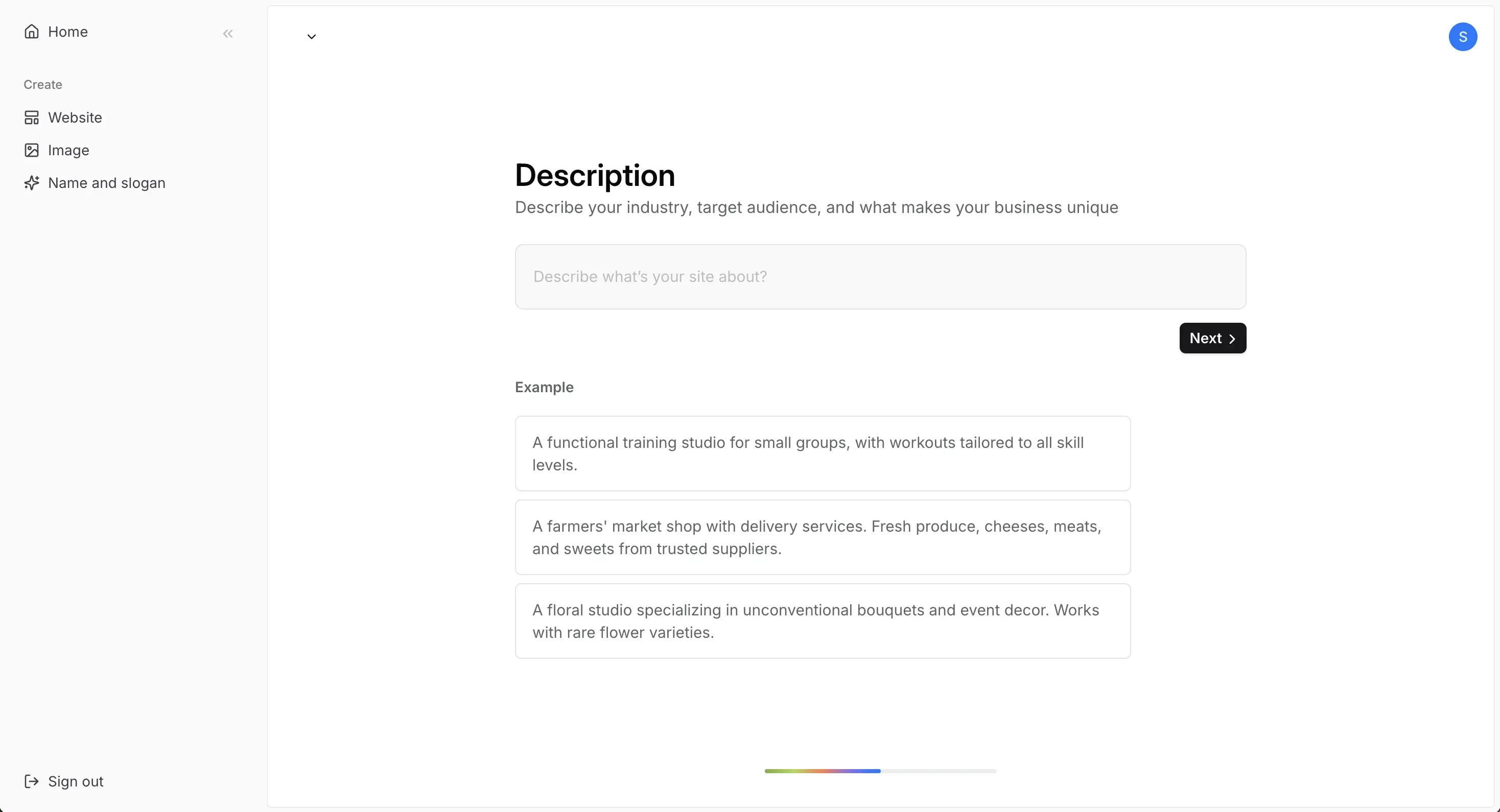
2. Write a prompt about your event

3. Choose the layout colour and style, and generate

4. Edit the text and design to match your brand

5. Publish your event landing page
Ready to see the difference?
Create a free Codesi account and have your first event landing page up and running in minutes.
FAQs
How Long Should an Event Landing Page Be?
There’s no single length that works for every event. A one-day workshop might only need a short page with the date, time, and a ticket button. A large conference often requires more detail, such as speaker profiles, schedules, and travel information. The key is to keep every helpful section and cut anything that doesn’t help someone sign up.
Do Images or Videos Really Help?
Yes. A good image or short video can explain more than a paragraph of text. It makes the event feel real and helps visitors trust what they’re seeing. The key is to use visuals that support the message rather than distract from it.
Do I Need Design or Coding Skills to Build a Landing Page With Codesi?
No. You can drag, drop, edit, and publish without touching a line of code. It’s built for marketers, founders, and teams who want results without waiting on developers.
Can I Publish an Event Page on My Own Domain?
Yes. You can use your own domain so the page feels part of your site. There’s also the option of publishing on a free Codesi subdomain if you want to test things quickly.
Create your website with AI today
Codesi is a platform where you can make a website in 3 minutes.
No coding, no designers, no hassle - just AI.