Back to blog
100 Inspirational Food Business Name Ideas To Use in 2026
Explore the best food business ideas to spark your creativity, craft a name that stands out, and build a brand customers will crave.

Oct 29 2025

Finding a suitable name for your food business can feel harder than perfecting the recipe itself. You want something short, memorable, appetizing, and a name that tells your story before anyone takes a bite.
A good name sets the tone for your entire brand. It shapes how people remember your food, your packaging, and even your service. The best names are simple, easy to say, and make customers hungry to try what you offer.
To make it easier for you, we’ll share 10 naming styles and 100 best business food ideas. This will help you find a name that fits your brand and audience perfectly.
Top 100 Ideas For Inspiration in 2026
Naming a food business should feel like plating your signature dish - simple, memorable, and true to you. Use these 10 styles below to spark ideas, then bring your favorite to life with a logo and a live one-page site in minutes.
1. Descriptive Food Business Names
These names keep things honest and inviting. They tell people exactly what you make or sell, no fancy metaphors or hidden meanings. Think of them as the “what you see is what you get” of branding.
Brands like “Freshii” and “Panera Bread” show how clear, descriptive names can instantly tell customers what to expect.
This naming style also works well for SEO, since people searching for “fresh meals,” “local deli,” or “organic bakery” are more likely to find you.

Examples:
- Harvest Lane Foods
- Crumb & Co.
- Sunrise Kitchen
- Pure Batch Bakery
- Golden Spoon Deli
- Everyday Eats Co.
- The Fresh Table
- Local Bite Market
- Honest Pantry
- Meadow Creek Meals
Why it works: Descriptive names earn trust right away. People understand what you offer within seconds, which helps new brands attract attention and build familiarity fast.
2. Evocative Food Business Names
Evocative names make people feel something before they even taste your food. They paint a picture or stir a memory through words that hint at warmth or mood. Think of “Blue Bottle Coffee” or “Tender Greens.”. They have their own atmosphere and tone that matches what the brand stands for.
This style works well for cafés, restaurants, and wellness brands that want to be remembered for emotion as much as flavor.

Examples:
- Crimson Spoon
- Velvet Thyme
- Morning Ember Café
- Saffron Tide
- Wild Fig Kitchen
- Hearthlight
- Sweet Solstice
- Bloom & Bite
- Emberfield Foods
- Lunar Grain
Why it works: Evocative names spark emotion and curiosity, helping your brand stand out through feeling rather than explanation.
3. Playful and Quirky Food Business Names
Playful names make your brand feel approachable and fun. They often use rhythm, rhyme, or clever wordplay to stick in people’s minds. This style works best for casual cafés, dessert brands, and food trucks where personality is part of the appeal.
Well-known names like “Shake Shack”, “Five Guys”, and “Sprinkles” show how a simple, catchy name can give a friendly identity.

Examples:
- Snackaroo
- Chippy Fox
- MunchMelt
- YumZoom
- GrubGoblin
- TastyTrek
- NibbleNest
- BiteBop
- ToastieTown
- FoodieFlick
Why it works: Playful names stand out in memory. They make people feel welcome and excited to try what you serve.
4. Geographic or Cultural Food Business Names
This naming style celebrates roots and authenticity. They connect your brand to a place, a culture, or a tradition that shapes what you serve. It’s a way to tell your story before anyone sees your menu.
Think of names like “Chipotle”, inspired by Mexican flavors, or “Nando’s”, which reflects its Portuguese and South African heritage.

Examples:
- Cedar Grove Café
- Kyora Kitchen
- Siena Street Bakery
- Bahia Table
- Montara Eats
- Kyoto Spice Co.
- Nordic Crust
- Atlas Bites
- Lisboa Lane
- Casa Verde Pantry
Why it works: Cultural or place-based names feel grounded and real. They help customers connect your food to its story and origin, building trust through familiarity.
5. Compound and Blended Food Business Names
This approach mixes two words (or partial words) to form a fresh yet recognizable name. They sound memorable and often hint at what makes the brand unique. This style works well for food brands that want to feel modern but still approachable.
Think of “Sweetgreen”, “BurgerFi”, or “Cinnabon”. Each one blends words that instantly make sense together.

Examples:
- Tastoria (taste + story)
- Bakevia (bake + via)
- Savoren (savor + garden)
- Cravory (crave + savory)
- Dishora (dish + aura)
- Nibbletto (nibble + motto)
- Bistralyn (bistro + lineage)
- Forkora (fork + flora)
- Cooksera (cook + era)
- Platera (plate + era)
Why it works: Compound names are modern without trying too hard. They’re short, flexible, and build instant recognition across menus, packaging, and online platforms.
6. Abstract and Invented Food Business Names
Some names don’t describe the food at all, yet they stay in your head. They’re short, distinctive, and shaped entirely by the brand behind them. Over time, they become inseparable from what they represent.
Look at “Oreo”, “Pepsi”, or “Häagen-Dazs”. None of them describe what they sell, but they became part of everyday language through consistent branding. The beauty is you get to decide what the name means.

Examples:
- Savorya
- Tavri
- Veyno
- Olnera
- Qestra
- Malori
- Tyvo
- Nuvra
- Fandil
- Elaro
Why it works: Abstract names are clean slates. They sound unique, look good in a logo, and give you space to grow without being tied to a single product or style of food.
7. Luxury and Artisan Food Business Names
These names sound elegant and intentional. They use refined language or hints of another culture to convey skill and quality. You’ll often find them on coffee bags, bakeries, and fine chocolate brands like “Godiva” or “La Colombe”.

Examples:
- Maison Delice
- Artigiano Caffè
- Noir & Salt
- Le Cendre
- Caffè Parlor
- Delinque
- Velvet Grove
- Gilded Grain
- Atelier du Pain
- Lune & Loaf
Why it works: Luxury names make a brand sound established and trustworthy. They pair well with minimalist visuals and help small food businesses feel polished from the start.
8. Health and Wellness Food Business Names
Names in this category feel light and restorative. They capture the sense of balance people look for in fresh meals and natural ingredients.
Real examples like “Pressed Juicery” and “Daily Harvest” use this approach to signal vitality and clean living without sounding clinical.

Examples:
- True Roots Kitchen
- GreenFuel
- Thrive Bar
- Balance Bowl
- Nourish & Co.
- FreshMind Meals
- Zenith Foods
- Vital Spoon
- BloomBite
- EverEarth Café
Why it works: Health-focused names attract people who care about ingredients and lifestyle. They create trust by sounding natural, positive, and grounded.
9. Nostalgic or Comfort-Food Names
These names bring a sense of home and familiarity. They remind people of family recipes, shared meals, and the kind of food that feels handmade.
You’ll see them in diners, bakeries, and local cafés that care about comfort as much as flavor. Businesses like “Cracker Barrel” and “Magnolia Bakery” show how this approach can build instant trust and warmth.

Examples:
- Grandma’s Pantry
- Pie Society
- Rustic Tabley
- Cozy Fork
- Sunday Spoon
- Hearthstone Diner
- Maple & Butter
- The Comfort Cart
- Old Mill Kitchen
- Sugarfield Café
Why it works: They spark emotion. Nostalgic names feel honest and familiar, which helps customers connect with your brand before the first bite.
10. Seasonal or Farm-to-Table Names
These names celebrate where food comes from. They highlight freshness, changing seasons, and a close connection to farms and local suppliers. You’ll often find them in restaurants or markets that focus on organic ingredients and sustainable sourcing.
“Sweetgreen” and “Farmhouse Kitchen” use this style to communicate care and natural quality.

Examples:
- The Gathered Grove
- Spring and Soil
- Willow Harvest
- Field Table
- True Acre
- Little Orchard
- Morning Root
- The Green Fork
- Orchard Lane Kitchen
- Riverbend Café
Why it works: They feel real and grounded. Seasonal names show care for ingredients and the planet, which builds trust with customers who value mindful eating.
7 Tips for Naming Your Food Business
A good name defines how people perceive your food business and influences their first impression.

From the coffee counter to the grocery aisle, these tips will help you choose a name that tells your story and sticks with customers.
1. Start With What Makes Your Food Different
Every great food business begins with a simple question: what makes it worth remembering? Your name should reflect that answer. It could be your sourcing approach, your unique flavors, or your cultural roots.
2. Keep It Simple and Easy to Say
The best names are short and easy to pronounce. A complicated name forces people to slow down or guess how to say it, which makes it harder to remember. Most modern food brands use one or two short words that can be recognized quickly on packaging and online.
3. Make It Visual
A good name should look as strong as it sounds. Before making your final decision, imagine how your name appears on packaging, signage, or an app icon.
When customers see consistent visuals, they subconsciously perceive reliability. 55% of brand first impressions are visual. This means a name that fits your visual identity will stay in your customer’s memory longer.
4. Check Domain and Trademark Availability
Before you commit to a name, confirm that the domain and social handles are available. A clean name without conflicts saves time and avoids legal issues later.
Quick Tip: You can check domain availability with Namecheap or Google Domains. Once you’ve chosen a name, Codesi lets you publish to a free subdomain or connect your own domain in minutes.
5. Test It Out Loud
Say your name out loud and ask others to do the same. Listen for natural flow and rhythm. If people hesitate or mispronounce it, you may need to simplify.
Testing your top choices with friends or potential customers is an easy way to see how well the name sticks in real conversations.
6. Future-Proof Your Choice
Think about how your business might evolve. A name tied to one location or dish might feel limiting if you expand later. Choose something flexible that still fits as you grow into new products, regions, or delivery models.
For example, fictional names like GreenFuel or Rustic Table work for both local restaurants and packaged products because they are broad enough to grow with the brand.
7. Use Codesi to Visualize and Validate
Once you have a shortlist, bring it to life with Codesi. The builder helps you explore different directions quickly. You can:
- Generate name variations based on your theme or style.
- Create a logo that fits the name.
- Preview how your brand looks across mobile and desktop.
- Publish a professional one-page site instantly.

How to Generate a Food Business Name with Codesi
Codesi makes it simple to create a brand name that feels right for your business. You can go from idea to finished name in just a few minutes.
Follow these steps to generate a food business name with Codesi :
Step 1. Create An Account
Visit Codesi and sign up for a free account. Once you log in, you’ll see options to create names, logos, and websites in one place.

Step 2. Navigate To “Name And Slogan”
From your dashboard, select Name and Slogan. This tool is built to help you come up with brand names and matching taglines that fit your business personality.
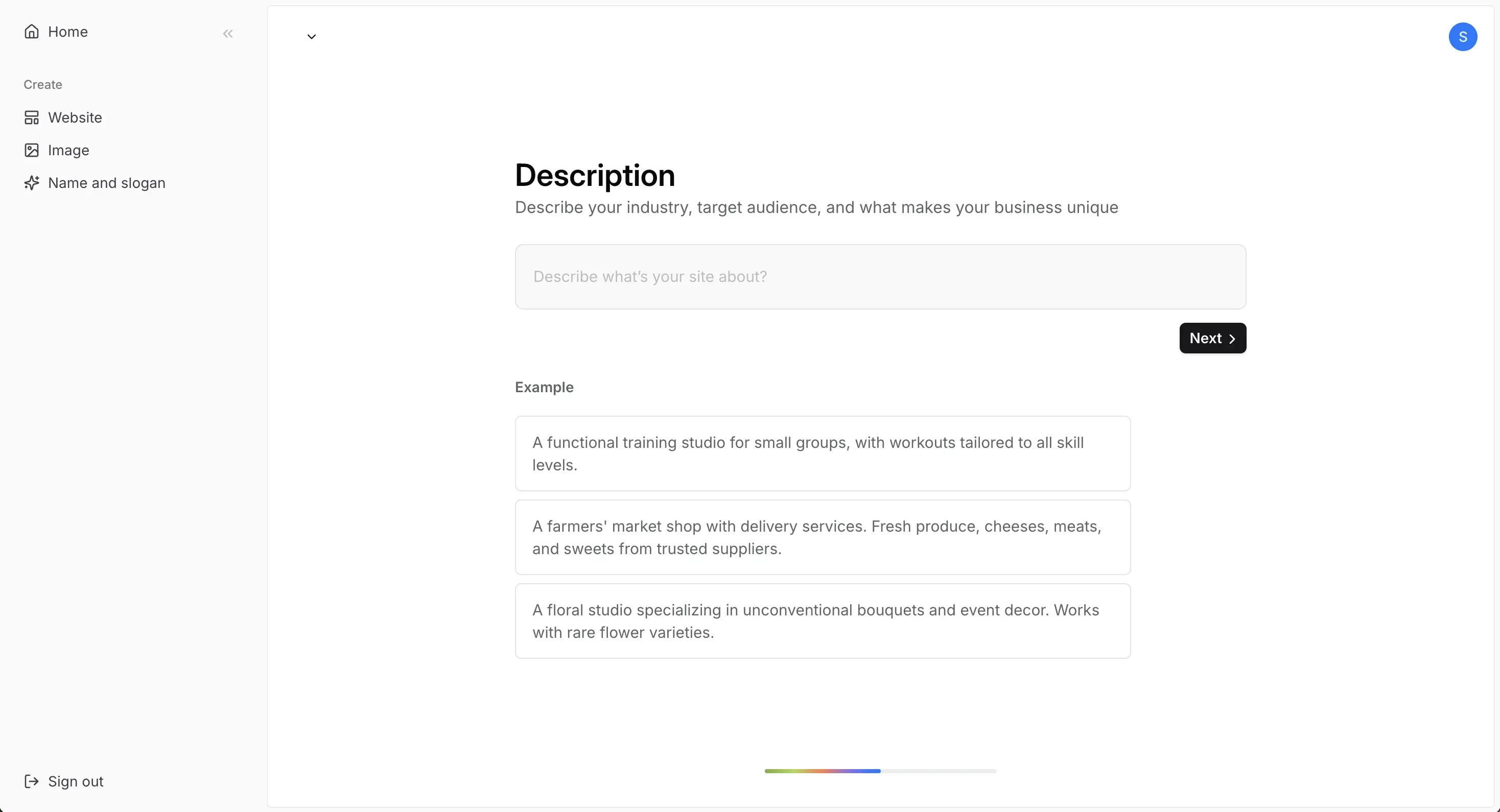
Step 3. Describe Your Business
In the description box, write a short paragraph that captures what your business is about and how it should feel. For example: “A warm, minimalist café that serves artisan coffee and homemade pastries.” The clearer your description, the better Codesi can match your style and audience.

Step 4. Click “Generate”
Select Generate, and Codesi will instantly create name ideas with slogan options that fit your description. You can scroll through the suggestions, save your favorites, or try again for new ideas.

Once you’ve picked a name, you can immediately see how it looks in real branding. Codesi connects naming with design so you can move smoothly from an idea to a name that feels ready for the market.
Build Your Food Brand from Name to Website with Codesi
Once you’ve found the perfect name, Codesi helps you turn it into a complete brand. You can design a logo, choose your visuals, and publish a website, all within the same workspace.
Here’s what you can do with Codesi:
- Create a custom logo that matches your food brand’s tone and color palette.
- Choose and edit your one-page website using a simple drag-and-drop builder.
- Add visuals and text that reflect your story and style.
- Preview your site across desktop, tablet, and mobile automatically.
- Publish instantly with hosting, SEO, and SSL already built in.
Everything in Codesi works together, so your name, logo, and website all stay consistent. You can update text or images any time without starting over.
For small food businesses, this means you can move from idea to launch without waiting on designers or switching between multiple tools.
Got inspired by these ideas? Why not create a food business name that’s fully yours?
Try Codesi's free AI business name generator and see how fast you can generate your food business name and even move to complete branding.
FAQs
Should My Food Business Name Include The Type Of Food I Sell?
Including it can help people understand your offer quickly, especially if you’re new or local. But if you plan to grow into new products later, keep the name broad enough to stay flexible.
How Do I Know If My Food Business Name Is Available?
Search online to see if the name and domain are taken. Check social handles too. Codesi helps with this by showing domain options while you build your site, so you can claim your name quickly.
What If My Perfect Food Business Name Is Already Taken?
Try small variations or add a unique word that reflects your style. If the .com domain is taken, consider alternatives like .co or .kitchen.
Create your website with AI today
Codesi is a platform where you can make a website in 3 minutes.
No coding, no designers, no hassle - just AI.