Back to blog
Top 12 Best Converting Landing Pages You Can Model in 2026
Discover the best converting landing pages that inspire clear action with focused messaging, strong calls to action, and a smooth visitor journey.
Nov 11 2025

A landing page can make or break your campaign. You might have a solid product and strong traffic, but if the page doesn’t give people a reason to act, the clicks won’t matter.
The average website converts between 2% and 5% of visitors, but focused landing pages achieve a median conversion rate of 6.6%, and top performers in industries like B2B achieve rates of 13% or higher. That's the gap between mediocre results and campaigns that actually deliver. The pages that perform best are those that lead with a clear message, remove distractions, and make the next step obvious.
In this guide, you’ll find 12 landing pages that convert well and learn why they work. Use them to shape your next campaign, sharpen your copy, or fix a page that’s falling short.
What Makes a Landing Page Convert?
A high-converting landing page doesn’t try to do everything. It does one thing well: it moves the visitor toward a single action.
Here are some simple practices for high-performing landing pages:
- The headline is clear. It tells you what the offer is without needing to scroll.
- There’s one main call to action. It’s easy to spot, and there’s no confusion about what to do next.
- The layout is focused. There are no extra links or distractions pulling attention away.
- The message fits the click. If someone came from an ad promising a free trial, the page leads with the trial.
- Visuals serve a purpose. They explain, show proof, or guide attention, not just fill space.
Most pages convert poorly because they add too much. The ones that work keep only what matters.
12 Best Converting Landing Page Examples to Learn From
The best way to understand what works is to see it in practice. These landing page examples come from real brands across different industries, but they all follow the same principle: remove friction, focus on the message, and make the next step clear.
1. Codesi (Landing Page Generator)

Industry: AI Website builder
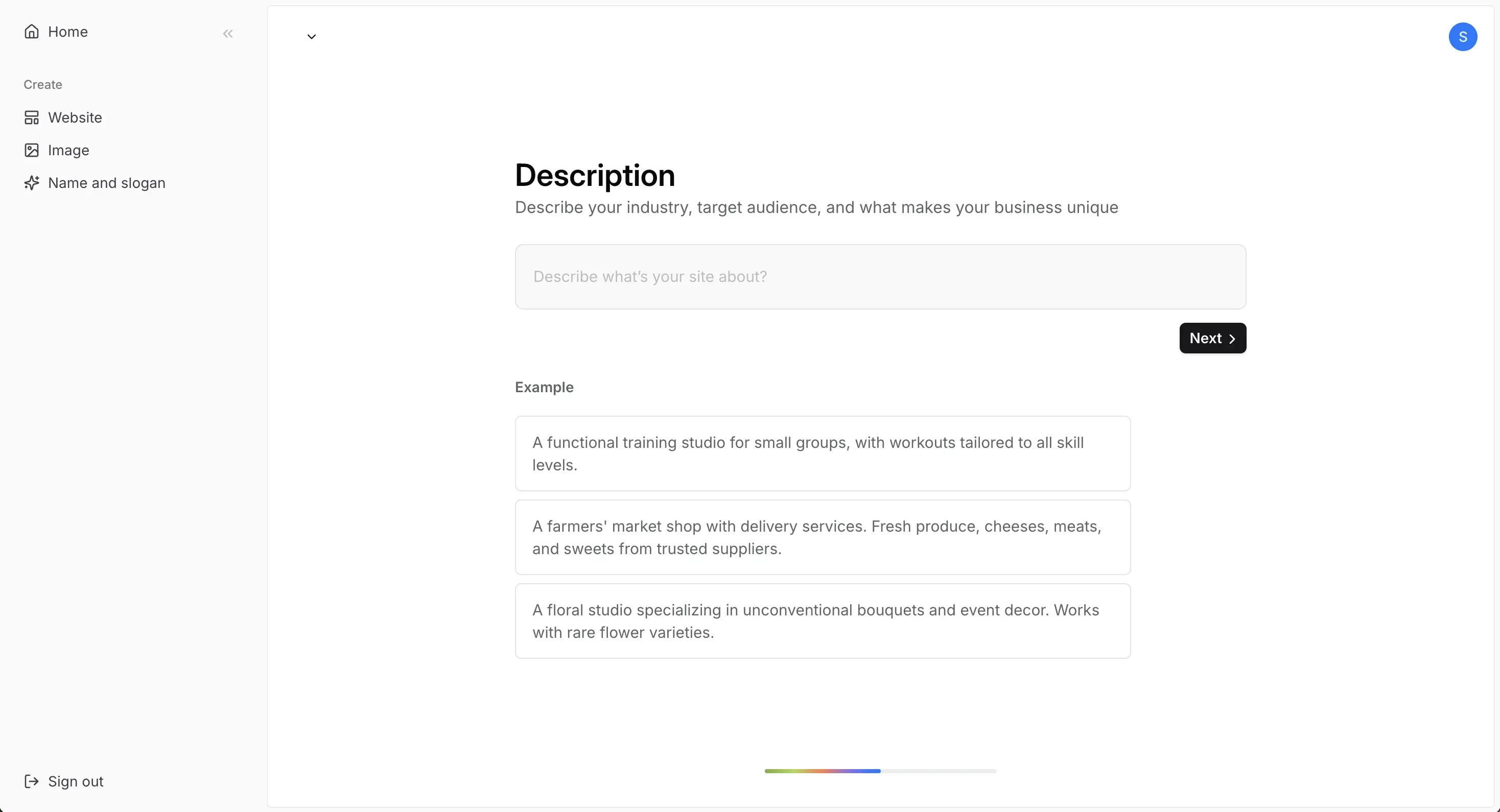
Codesi’s landing page for its AI-powered landing page generator is a model of clarity. It speaks to one goal: creating a landing page. It makes that objective feel fast, simple, and within reach.
Why it works:
- The headline is direct and benefit-led: “Create Stunning Landing Pages in Minutes with Codesi.”
- The CTA buttons appear above the fold and make the next step obvious.
- A short, clear paragraph explains what you get.
- Visuals reinforce the message by showing the dashboard and input flow.
- The design is clean, with smart use of space and zero distractions.
What to take from it:
- Say exactly what your product does.
- Support your headline with a visual that shows the product in use.
- Keep CTAs visible from the start and focused on the action you want.
Pro tip: Use Codesi’s landing page generator prompt box to describe your offer in plain language. The more specific you are, the better your page will turn out.
2. Calendly (Signup Page)

Industry: Scheduling / SaaS
Calendly’s signup page keeps things simple. It’s designed to get users started as fast as possible, without any extra steps or distractions.
Why it works:
- The entire page is built around one action: creating an account.
- There’s no navigation bar or exit path to distract from signing up.
- The form is visible right away, with no need to scroll.
- The headline is brief and paired with a clear CTA button.
- It assumes intent, so it skips over selling and focuses on doing.
What to take from it:
- Strip your page down to the essentials.
- Put your form above the fold.
- Remove anything that slows down the signup.
3. Dropbox (Free Account Page)

Industry: File Storage / SaaS
Dropbox’s free plan page focuses on one goal: getting visitors to sign up. The messaging is minimal, the layout is clean, and the entire page supports a single decision.
Why it works:
- The headline is clear: “Get a Dropbox free account” spells out the offer immediately.
- The signup button is visible right away, with no need to scroll.
- Feature highlights are brief and tied directly to what free users care about—storage, sharing, and access.
- There’s no heavy pitch or jargon. The page assumes you already understand the need.
- The structure builds quiet trust through simplicity and brand familiarity.
What to take from it:
- Speak plainly. Fancy wording won’t help someone decide.
- Have one clear goal per page. Dropbox wants you to start a free account, and nothing pulls you off that path.
- Use design to create confidence. Space, typography, and brand consistency all work quietly in the background.
4. Monday.com

Industry: Project Management / SaaS
Monday CRM’s landing page is built to guide visitors from curiosity to signup without slowing them down. It uses a familiar structure, but the messaging stays tight and product-focused.
Why it works:
- The headline leads with value. “The only AI-first CRM your team will love” is followed by a short line that explains exactly what the product helps you do.
- The “Get started” button is front and center, with nothing competing for attention.
- Design stays out of the way. Light background, clear text, and a simple interface preview that shows what the tool looks like without needing a full demo.
- The CTA is aligned with the offer. There’s no mention of payment, which encourages people to try it first.
What to take from it:
- Use your headline to say what the product does, not just what it is.
- Show the product early instead of describing it.
- Keep your copy tight and CTA placement consistent.
5. Loom (Free Screen Recorder Page)

Industry: Video Messaging
Loom’s screen recorder page is built to convert visitors who are looking for a free tool. It speaks to a clear use case, shows the product immediately, and makes the signup simple.
Why it works:
- The headline answers the intent; “Free Screen Recorder” speaks directly to what users are searching for.
- A short product demo shows how it works instead of explaining it.
- The “Sign up for Free” CTA is placed early and reinforced throughout.
- No unnecessary navigation or off-topic links clutter the flow.
- Use cases like async video, tutorials, and walkthroughs are explained in plain terms.
What to take from it:
- Match your headline to the search intent.
- Show your product instead of describing it.
- Keep the CTA visible and tied to the page’s core offer.
6. Superhuman (AI Product Page)

Industry: Email / Productivity
Superhuman’s AI page is focused and built around a single promise: save time. It’s structured to appeal to professionals who value speed and are willing to pay for it.
Why it works:
- The headline leads with a result: “Get 4 hours back every single week.”
- A short demo video shows exactly how the AI helps write, respond, and summarize email.
- The benefits are listed clearly in one scan-friendly section.
- The CTA is placed early and repeated after scrolling.
- The layout is clean, with no unnecessary features.
What to take from it:
- Lead with a measurable result, not a vague benefit.
- Use product visuals or motion to explain functionality fast.
- Keep the structure focused around one core outcome.
7. Webflow (Page Building Landing Page)

Industry: Website Builder
Webflow’s page-building landing page is designed to capture users who want full design control without needing to code. The content focuses on showing what’s possible and getting visitors into the product quickly.
Why it works:
- The headline leads with a clear value: “The building blocks for faster launches.”
- The CTA (“Get started — it’s free”) appears early and doesn’t compete with other actions.
- Product visuals show real layouts being built in the editor, making the value feel tangible.
- Benefit blocks are short, with visual examples to back them up.
- The layout avoids unnecessary links or navigation clutter.
What to take from it:
- Lead with clarity, not slogans.
- Back up claims with real product visuals.
- Keep the path from interest to signup short and focused.
8. Notion (Calendar Page)

Industry: Productivity / Calendar Tool
Notion Calendar’s product page is built to convert people who already use calendar tools but want something more connected. The structure is simple, the product visuals do most of the explaining, and the call to action is direct.
Why it works:
- The headline speaks to a clear need: “All of your commitments, now in one place.”
- The visuals show exactly how it works without needing a demo.
- Each feature section focuses on real use cases, like time blocking or event syncing.
- The CTA appears early and repeats: “Get Notion Calendar free.”
- The page feels like the product. Clean, focused, and easy to follow.
What to take from it:
- Make your product feel familiar and accessible.
- Use images and layout to show value instead of explaining it.
- Keep the flow simple so visitors stay focused on the offer.
9. Future

Industry: Fitness / Personal Training
Future’s homepage is designed like a landing page. It focuses on one offer, guides the visitor through a clear path, and removes anything that doesn’t support the signup.
Why it works:
- The headline and price are immediate: “Personal training anytime, anywhere” and “$99 for the first month” appear above the fold.
- There’s no top navigation, so attention stays on the offer.
- The call to action is consistent: “Get Started” leads directly into a short onboarding quiz.
- Real coach profiles and app visuals show what users are getting, which adds trust.
- The page follows a straight path from intro to signup with no unnecessary exits.
What to take from it:
- Even your homepage can follow landing page principles.
- Remove anything that doesn’t support the main action.
- Use the offer to lead, then support it with proof and visuals.
10. Caraway (Cookware Landing Page)

Industry: DTC Cookware / Kitchenware
Caraway’s page communicates a single clear pitch: “Say goodbye to forever chemicals, forever.” This gives a streamlined, focused message which is ideal for high‑conversion landing pages.
Why it works:
- The headline directly addresses a major consumer pain point: non‑toxic, chemical‑free cookware.
- Visuals and product styling show the cookware in a real home setting, which helps the visitor picture it in their life.
- Copy is specific and benefit‑driven: one example says “ceramic-coated,” “stainless steel cookware,” “enameled cast iron” in short, clear terms.
- The page removes clutter and focuses on the decision: buy now or explore sets.
- The brand voice comes through cleanly: focused on health, design, and simplicity.
What to take from it:
- Pick one strong benefit that matters to your audience (e.g., safety, speed, convenience) and make it the headline.
- Use lifestyle visuals that show the product in context, not just as an isolated object.
- Keep navigation minimal or move it after the CTA area so the action stands out.
11. Hotjar (Heatmap Page)

Industry: UX Analytics
Hotjar’s heatmap‑focused landing page leads with a clear offer to help you see exactly how visitors interact with your site. The design drives users toward trying the tool without fuss.
Why it works:
- The headline states the benefit directly: “Powerful landing page heatmaps to understand how people use your site.”
- The CTA is simple and early: “Get started free” with no credit card required.
- Social proof and credibility appear early with different brands’ logos to show credibility.
- The layout avoids heavy navigation and keeps the focus on the tool and its value.
What to take from it:
- Lead with what the user will be able to do (see clicks, scrolls, etc.).
- Offer immediate access (free or trial) to reduce commitment barriers.
- Use credible numbers early to build trust.
12. Ahrefs (Pricing Page)

Industry: SEO Tools
Ahrefs uses its pricing page as a conversion-driven landing page. It speaks directly to users who are ready to buy and removes friction by showing all plan options clearly.
Why it works
- Plan comparisons are visual and scannable with pricing, limits, and features side by side.
- A single call to action appears with each plan, so there’s no guesswork.
- A quick FAQ section handles common objections directly on the page.
- Trust elements like free trial info and tool previews help reassure skeptical buyers.
What to take from it:
- Don’t hide pricing; clarity builds trust, especially with power users.
- Let users compare without extra clicks.
- Use the CTA as a next step, not a sales push.
Build Your Landing Page Faster with Codesi
Great landing pages are focused and fast. So is the process behind them. Codesi gives you everything you need to create a high-converting landing page without back and forth.
Just describe your offer, choose a style, and Codesi will generate the layout, copy, and visuals for you. The result is a polished, ready-to-publish page that fits your brand and your message.
What you can do with Codesi:
- Create a full one-page website with sections for headlines, CTAs, testimonials, and more
- Generate a custom logo and brand style that matches your page
- Edit your content visually, without any coding
- Publish instantly to your custom domain or a free Codesi subdomain
- Get a mobile-friendly, SEO-optimized layout from the start
If you’re building something and don’t want to get stuck in design tools, copy drafts, or CMS setups, Codesi makes it easy to get live quickly and cleanly.
Try Codesi for free and launch your landing page in minutes.
Create your website with AI today
Codesi is a platform where you can make a website in 3 minutes.
No coding, no designers, no hassle - just AI.