Back to blog
8 Best Church Website Builders Reviewed [2026 Comparison]
Explore the best church website builders to create a welcoming online home, share sermons, engage visitors, and help your ministry grow with ease.

Nov 16 2025
![8 Best Church Website Builders Reviewed [2026 Comparison]](https://codesi.ai/admin/static/cov13_ccbaf08c0c.webp)
When someone visits your church’s website, they’re usually looking for something specific. Maybe it’s service times, your denomination, what ministries you offer, or what charitable programs you’re involved in.
If they can’t find what they need in the first few minutes, they will move on to a church that makes things easier.
The numbers back it up: 80% of potential guests visit a church website before ever setting foot inside. The good news? You don’t need a tech team or a big budget to create a strong online presence.
This guide breaks down the 8 best church website builders in 2026, with clear pros, cons, features, and pricing, so you can find the one that fits your church best.
What Churches Need in a Website Builder
Most churches don’t need bells and whistles. You just need a site that makes it easy for people to find you, understand what your church is about, and learn how to stay connected. Here’s what to look for:
- Mobile-friendly design: Most of your visitors are coming from their phones. If your site doesn’t work on mobile, they won’t see the rest.
- Clear service times and directions: People shouldn’t have to dig to figure out when and where to show up. Put this info right on the homepage.
- Simple contact info: Make it easy for someone to reach out, get answers, or ask for support.
- A quick look at what you believe: Visitors want to know what you stand for before they visit. A short, clear beliefs section helps them feel confident about attending.
- An updated event calendar: Keep everything in one place so members stay informed.
- Sermon access: Let people hear your teaching before they visit, and help regulars catch up when they miss a sermon.
- An editor anyone can use: You shouldn’t have to call the tech guy every time you need to update the Christmas service time.
The 8 Best Church Website Builders You Should Consider
Read the table below to see how the best church website builders compare:

*All pros and cons are based on user reviews on G2, Trustpilot, Capterra, TrustRadius, and Product Hunt.
1. Codesi

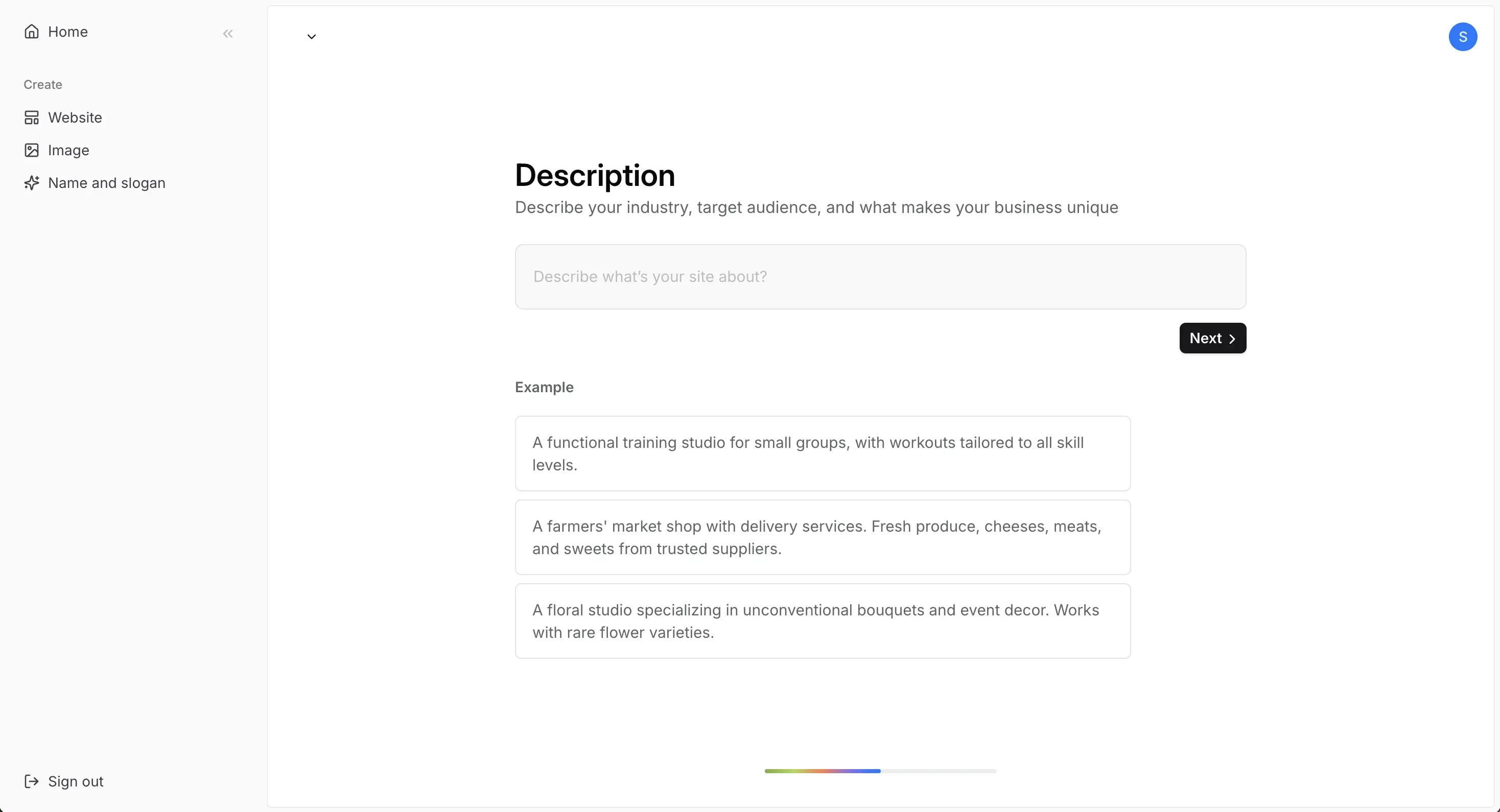
Codesi brings AI-powered website generation to church contexts. Instead of spending hours choosing templates and arranging elements, you can describe your church in a few sentences and receive a complete, branded website ready for refinement and launch.
Key Features
- AI website generator: Turns a short description of your church into a complete, fully structured site, with sections for beliefs, ministries, and contact info already in place.
- AI logo creator: Creates a custom logo that fits your church’s identity, removing the need for outside branding help.
- AI image generation: Generates AI images that reflect your ministry and audience, so you’re not stuck with generic stock photos.
- Built-in SEO optimization: Ensures search engines can find your church by structuring content correctly and improving page speed.
- Mobile-ready layout: Delivers a responsive site that looks great on phones, tablets, and desktops from the start.
- Secure hosting and SSL: Includes secure hosting and certificates, with no extra setup or third-party tools required.
- Easy visual editing: Lets anyone on your team update content or service times without needing technical training.
Pros
- Builds complete websites in under 10 minutes
- Includes branding tools like logos and visuals at no extra cost
- Requires no technical skills to get started
Cons
- Offers less design control than drag-and-drop platforms
- Focuses on one-page sites; not suited for complex needs
Pricing
One flat plan at $15/month covers everything: website generation, custom logo, image creation, hosting, and SSL. New users can test the platform with three free site generations.
2. Sharefaith

Sharefaith has built a comprehensive ecosystem specifically for church needs. Beyond website building, the platform provides graphics, media resources, and tools that support multiple ministry areas with a single subscription.
Key Features
- All-in-one platform: Combines website builder, giving solutions, sermon hosting, and live streaming into a single dashboard.
- Church-focused templates: Offers layouts tailored for ministries, with prebuilt sections for sermons, beliefs, staff, and events.
- Built-in media library: Includes thousands of graphics, slides, and worship visuals to keep your content fresh without extra design tools.
- Sermon manager: Hosts sermons with podcast options and media embedding, helping members and guests stay connected to your teaching.
- Integrated giving tools: Supports recurring donations, text-to-give, and detailed reporting.
- Email marketing tools: Sends newsletters and updates straight from your site, so communication stays consistent and on-brand.
Pros
- Combines website, giving solutions, media, and streaming in one platform
- Includes an extensive media library for church graphics and visuals
- Provides solid support and training for volunteer teams
Cons
- Charges a higher monthly price than most alternatives
- Takes time to learn and implement all features
- Includes more tools than some churches actually need
Pricing
Plans start at $25/month and include website builder, media library, sermon hosting, and giving tools. No separate hosting is required.
3. Ekklesia 360

Ekklesia 360 serves established churches needing robust management systems alongside their web presence. The platform treats the website as one component of broader church administration rather than a standalone platform.
Key Features
- All-in-one church management: Combines website, event registration, member data, and giving tools.
- Custom website design: Offers flexible design tools with ministry-specific templates.
- Integrated giving system: Tracks donations with advanced reporting and pledge tracking.
- Event management tools: Handles registrations, payments, and attendee communications.
- Sermon hosting and podcasting: Publishes and organizes teaching content across channels.
Pros
- Centralizes web, membership, and giving tools in one place
- Supports complex admin needs for larger churches
- Offers dedicated support and onboarding guidance
Cons
- Requires more time to set up and learn
- Costs more than simpler website builders
- Includes more features than small churches often need
Pricing
Plans start at $65/month for smaller churches. Mid-sized churches typically pay $90–$185/month. Large implementations are quoted based on your needs.
4. Subsplash

Subsplash prioritizes mobile engagement, recognizing that modern church members interact primarily through smartphones. The platform centers on mobile app development with website capabilities supporting the broader mobile strategy.
Key Features
- Branded mobile app: Gives your church a custom app with push notifications, media, and giving tools.
- Mobile-optimized website: Designs sites that load fast and look great on phones.
- Low-fee giving system: Offers recurring donations, text-to-give, and detailed reporting.
- Live streaming integration: Streams services with chat and engagement features.
- Sermon and media library: Hosts audio and video content accessible on web and mobile.
Pros
- Supports deep engagement through custom mobile apps
- Handles digital giving with low transaction costs
- Offers strong media tools for churches with regular content
Cons
- Costs more than most website-focused platforms
- Prioritizes mobile features over traditional site builders
- Requires staff time to manage full capabilities
Pricing
Subsplash offers custom pricing based on your needs.
5. Church Community Builder
Church Community Builder (CCB) focuses on member management first, with the website acting as an extension of your internal systems. It’s built for churches that need more comprehensive tools for follow-up, volunteer coordination, and small group tracking.
Key Features
- Advanced member database: Stores detailed info like family ties, spiritual gifts, and volunteer history.
- Workflow automation: Handles processes like guest follow-up or membership steps without manual effort.
- Group management: Organizes small groups with attendance, lessons, and built-in communication.
- Integrated communication tools: Sends targeted texts, emails, and notifications to specific segments.
- Secure child check-in: Provides a full check-in system for kids’ ministry with labels and alerts.
Pros
- Supports detailed relationship tracking and follow-up
- Automates ministry processes with built-in workflows
- Manages volunteers, groups, and communication from one dashboard
Cons
- Requires training for staff and volunteers to use effectively
- Prioritizes database tools over flexible website design
- Costs more than platforms built for basic public-facing sites
Pricing
Essential plan starts at $79/month for up to 250 active members. Growth plan starts at $149/month for larger congregations. Custom pricing is available for larger setups.
6. Tithe.ly

Tithe.ly started as a digital giving platform and later expanded to offer church websites. It’s ideal for congregations focused on streamlining online donations while keeping the website simple and budget-friendly.
Key Features
- Giving platform: Accepts one-time and recurring donations, text-to-give, and in-person giving with low transaction fees and detailed reporting.
- Website builder: Offers ministry-focused templates with sections for service info, events, and sermons, built for quick setup and easy updates.
- Mobile giving app: Lets members manage donations, view giving history, and give from anywhere using a dedicated smartphone app.
- Sermon hosting: Stores and shares audio and video messages with easy embedding and podcast support across platforms.
- Basic ChMS tools: Provides member management, event coordination, and check-in features for smaller churches that need light administration.
Pros
- Offers top-tier giving tools built specifically for churches
- Includes a free website plan with giving functionality
- Keeps setup simple for teams without design experience
Cons
- Limits design options
- Provides fewer template options for churches needing unique branding
- Focuses more on giving solutions than on site customization
Pricing
Free tier includes a basic website and giving tools with per-transaction fees. Paid plans start at $72/month.
7. Church123

Church123 is a straightforward website builder made specifically for churches. It focuses on ease of use, offering ready-made templates and a clean drag-and-drop interface. The platform also includes built-in features for events, sermons, and contact forms, allowing churches to get online quickly without any tech experience or professional help.
Key Features
- Drag-and-drop editor: Build and customize pages without coding, making it accessible for volunteer teams.
- Church-specific templates: Choose from layouts built around ministry needs like services, events, and contact forms.
- Sermon and event pages: Add sermons and events with structured layouts that keep content organized and easy to update.
- Free trial with no setup required: Try the platform risk-free with a 30-day trial that doesn’t require payment upfront.
- Reliable hosting included: Hosting is bundled into the plan, so there’s no need to manage servers or external providers.
Pros
- Purpose-built for churches with practical features
- Easy for non-technical teams to manage
- Fast setup with no learning curve
Cons
- Design flexibility is limited compared to modern visual builders
- Fewer integrations with third-party tools
- Outdated UI compared to newer platforms
Pricing
Church123 offers region-based pricing. In the US, the Webbuilder plan costs $75 per quarter, or $295 annually. This includes full access to their drag-and-drop builder, hosting, templates, and support.
8. Ministry Designs

Ministry Designs gives churches a website platform built specifically for ministry contexts. Whether you’re doing it yourself or handing it off to their team, you get church‑focused features like sermons, events, giving, and mobile responsiveness, plus support from a team that understands how churches operate and what actually matters to your ministry.
Key Features
- Church‑focused templates and blocks: Use layouts designed for ministries with built‑in sections for beliefs, sermons, staff, and service times.
- Self‑build or managed service: Choose a DIY plan or let the Ministry Designs team handle updates, design, and content for you.
- Online giving integration: Accept secure donations with recurring gifts, fund tracking, and easy setup.
- Content engines for sermons, events & small groups: Manage sermons, events, and group content all in one organized place.
- SEO & performance optimization: Lets you connect your website to Google Search Console, compress images, and geo‑tag content for better visibility.
Pros
- Packs church‑specific tools rather than general website features
- Allows you to choose who manages content and design
- Keeps the ministry needs front and center with pre‑built functionality
Cons
- Starts at a higher price than basic DIY builders
- Might be too complex for the needs of smaller churches
- Requires consistent upkeep to get full value
Pricing
Ministry Designs offers two pricing tiers. The DIY plan is $97 per month and includes a 20-page custom build, unlimited pages, and full support. For churches that want a hands-off experience, the managed plan costs $247 per month and includes unlimited updates, content management, and full design support from their team.
Why Choose Codesi for Your Church Website
You don’t need a tech team or weeks of back-and-forth to launch a great church website. What you really need is a builder you can update easily and your visitors can actually use.
That’s the kind of job Codesi does best. All you need to do is write a few details about your church, and it instantly generates a clean, professional website that’s ready to publish. It covers the essentials like service times, ministries, location, contact info, and even generates a logo in minutes.
Your site won’t just look good. It’ll be optimized for mobile, load fast, and include an SEO structure so people searching for churches nearby can find you. And when some information needs to be changed, your team can make quick updates without having to call for help.
Here’s what makes Codesi different:
- Complete church site generated from a short description
- Matching logo, colors, and visuals created automatically
- SEO and mobile optimization included from the start
- Simple dashboard anyone can use to make changes
- Hosting, security, and support all in one place
If you’ve been stuck trying to piece together a site with too many tools or outdated templates, Codesi keeps it simple. It’s one of the top platforms for building one-page websites, which works especially well for smaller churches or ministries that need to get online quickly.
Want to see what it can do for your church?
Sign up on Codesi for free, and have your church site live in minutes.
Create your website with AI today
Codesi is a platform where you can make a website in 3 minutes.
No coding, no designers, no hassle - just AI.